Wondering what your child should be able to do before school? This preschool skills checklist covers social, language, physical and self-care skills. Treat it as a guide for conversations with your child’s teacher, not a test.
| Item | Value |
|---|---|
| Typical kindergarten entry age requirement (most parts of the US) | 5 years old |
| Typical first grade entry age requirement (most parts of the US) | 6 years old |
| Milestones the AAP lists to watch for by age 5 | 10 milestones |
| AAP screen time advice, apart from video chatting | Best avoided under 18 months old |
| Suggested start of home-to-kindergarten communication | At least 6 months before kindergarten |
These figures come from the American Academy of Pediatrics’ HealthyChildren.org page on kindergarten readiness and the University of Florida’s Anita Zucker Center page on kindergarten readiness. Rules and guidance can change, so check the sources, and your own state’s rules, before you rely on them.
What a preschool skills checklist can and cannot tell you
The University of Florida’s Anita Zucker Center describes kindergarten readiness as a phrase for the knowledge, skills or learning approaches children need to be successful when they enter kindergarten. It adds that preschool often puts emphasis on preparing children for the social and academic requirements of kindergarten. You can read that wording on the Anita Zucker Center page.
A checklist is a way to organise what you notice, nothing more. The AAP says a child’s social, emotional and behavior skills are equally critical to school success, so letters and numbers are only part of the picture. Its HealthyChildren.org page also notes that children develop these skills at varying ages.
That means a gap on a list is a prompt to keep practising, not a verdict. If something worries you about your child’s health or development, talk to your own doctor or your child’s school. This site cannot diagnose or advise on therapy.
Questions the AAP suggests asking
When you think about the start of kindergarten, the AAP page poses a handful of plain questions about your child. They make a useful skeleton for a home checklist:
- Can your child communicate what they want and need?
- How are their listening and social skills?
- Could they get along with other children and adults?
- Are they toilet trained?
- Do they use their bodies well, for example running, playing or holding a crayon or pencil?
The AAP also suggests asking your child’s preschool teacher or childcare provider for feedback, since they can offer objective observations. See the AAP page for the full list.
Social and emotional skills children often work on
Classrooms ask children to share adults, wait, listen and cope with small frustrations. For that reason the AAP puts social and emotional development at the centre of readiness, as set out on its readiness page.
Skills families often practise at home include:
- Paying attention to a short story or task for a stretch of time
- Taking turns in a game or conversation
- Calming down with help after getting upset
- Noticing how another child feels
- Playing alongside, then with, other children
- Asking an adult for help in words
Listening and doing what is asked is a skill that builds step by step. Our guide on how to teach a child to follow directions breaks it into small, practical stages.
Everyday play is a good place to practise. Board games, pretend shops and building projects all involve waiting, sharing and sticking with a plan, with no worksheet in sight.

Language, early reading and early math
The AAP groups early language, literacy and math skills together: being able to talk, listen and understand ideas such as sound-letter links, numbers, shapes and how objects relate to each other. That grouping appears on the AAP’s HealthyChildren.org page.
Talking and listening
Conversation is the base for everything else. Children often work on telling you about their day, answering simple questions, following a short story and using new words they hear.
Early reading and letters
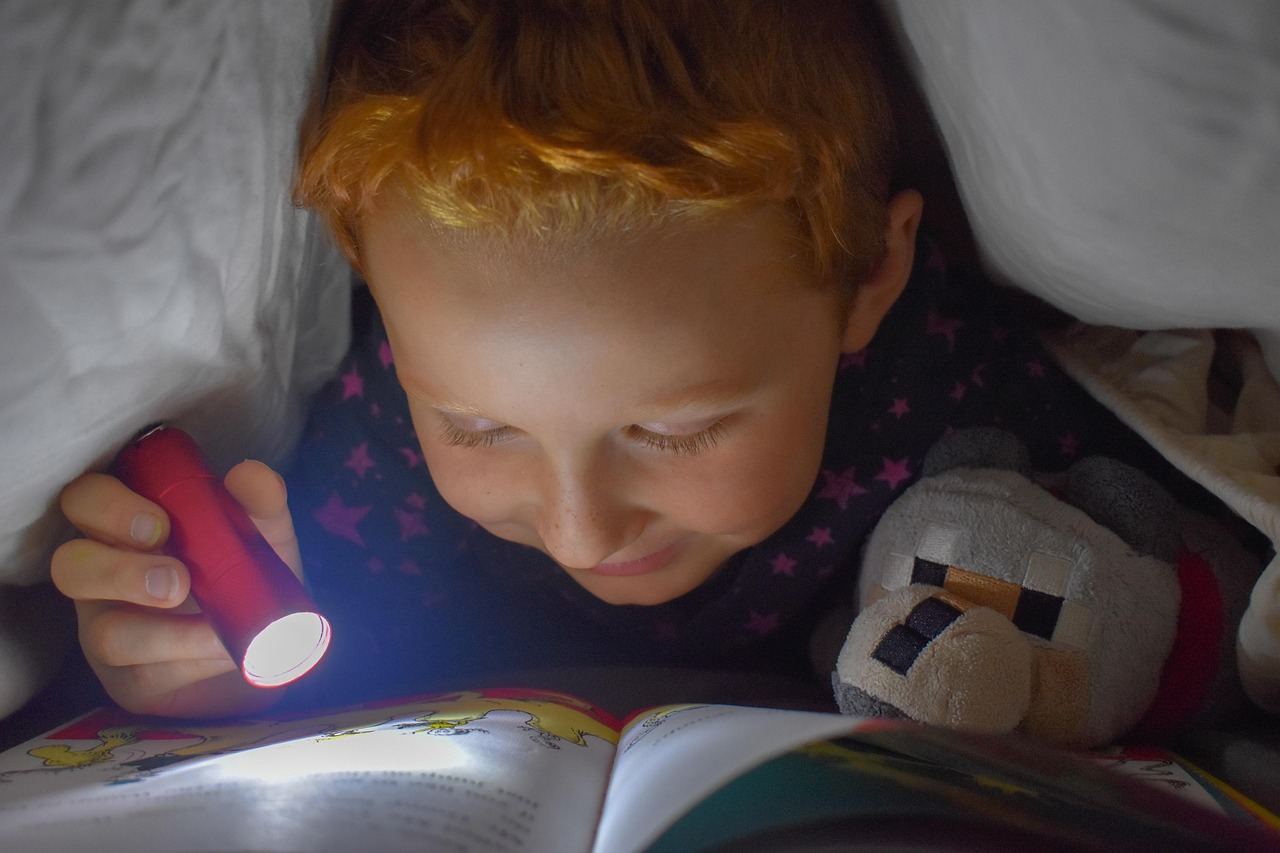
Sharing books, singing and rhyming all build familiarity with sounds and print. For ideas, see these early reading activities for preschoolers. When your child shows interest in the alphabet, these letter recognition activities for preschoolers keep it playful.
Numbers and shapes
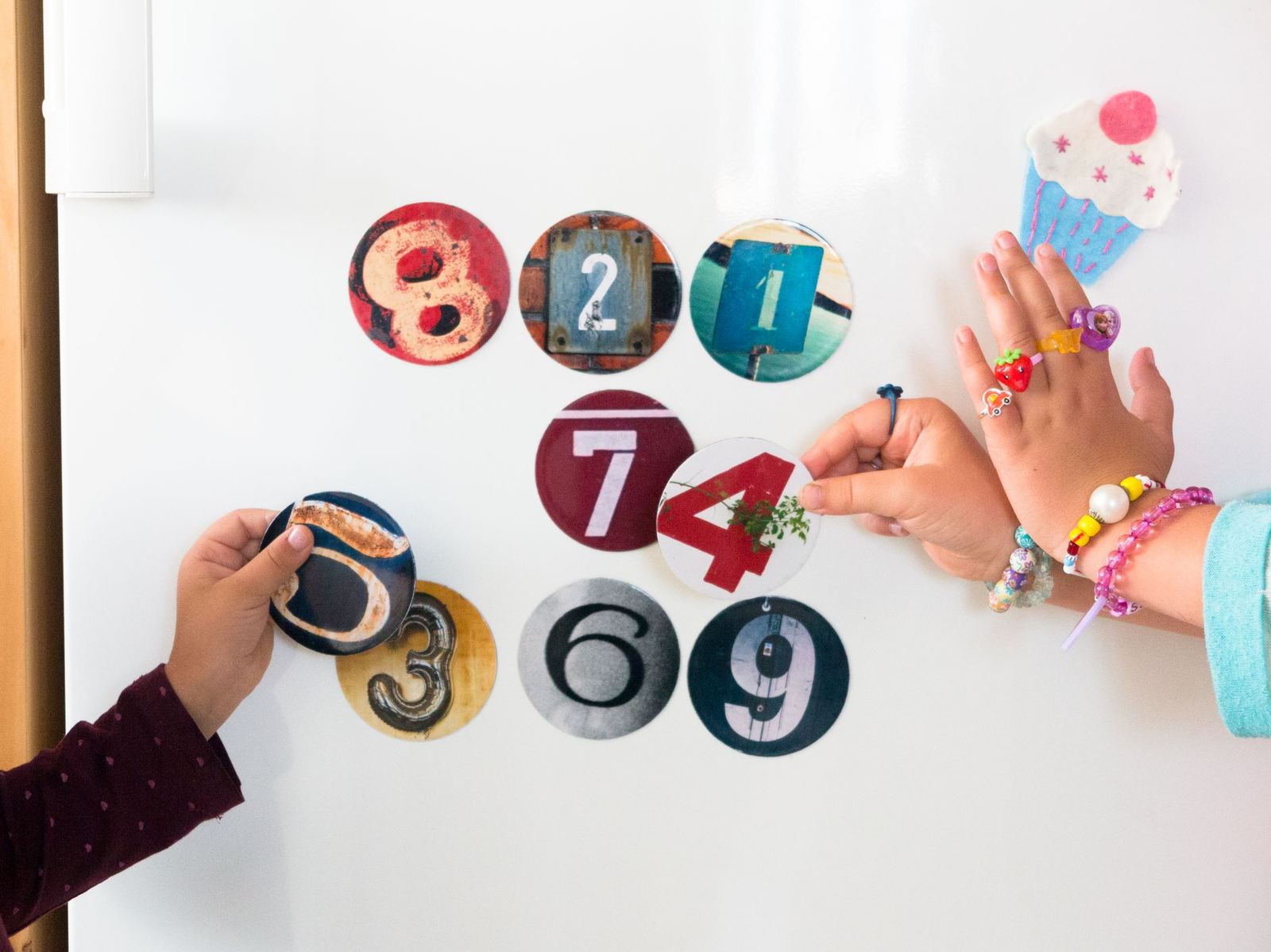
Counting stairs, snacks or toys gives numbers a real-world meaning. Our collection of counting activities for preschoolers covers simple games that fit into ordinary days.
The AAP also cautions that online preschool activities and educational apps and shows should not take the place of face-to-face interactions and real-life experiences. It advises that screen time other than video chatting is best avoided for children under 18 months old, according to its readiness page.
Physical skills and self-care
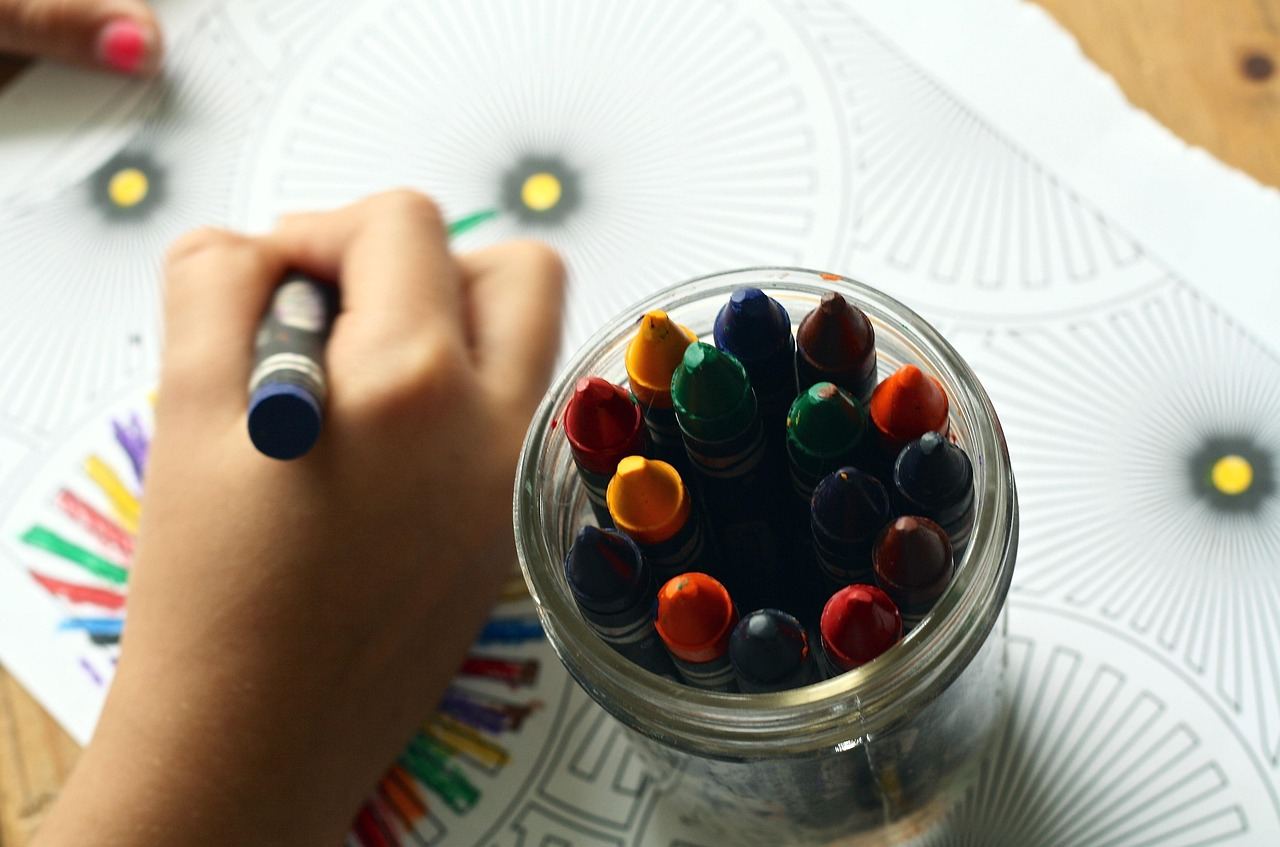
The AAP’s questions include physical skills like running, playing and using a crayon or pencil. In practice, fine motor skills are the small hand movements behind drawing, cutting and fastening. You can try these fine motor activities for preschoolers using items already in your home.
Pencil grip develops gradually from chunky crayons and play. If you want a step-by-step approach, read how to teach a child to hold a pencil.
Looking after themselves
Toilet training is on the AAP’s list of things to consider. Beyond that, schools tend to appreciate children who can manage small personal tasks, such as washing hands and carrying their own belongings. Our overview of self-care skills for preschoolers lists the common ones.
Dressing is a daily chance to practise. Zips, buttons and shoes take time, and our guide to teaching kids to dress themselves suggests ways to build independence without daily battles.
A simple home checklist for this area might include:
- Using the toilet and washing hands with minimal reminders
- Putting on a coat and shoes, even if slowly
- Holding a crayon or pencil and making deliberate marks
- Opening a lunch container or snack packet
- Running, climbing and moving with some control

Using the checklist without pressure
The AAP says the idea that some children are ready for school by four or five and others are not is controversial. In its words, children develop the psychological and social skills needed for school at varying ages, a point made on its HealthyChildren.org page.
So, use your checklist to spot where to spend more playtime, not to rank your child. Tick the things you see, note the ones that are emerging, and leave the rest for later.
Screenings and readiness tests
Some schools run their own screenings. The AAP says readiness tests are far from perfect and that some children who do poorly on them do just fine in school. It believes screening should guide teaching and support diverse groups of children, rather than act as a gatekeeping test for entry (see the AAP page).
Delaying the start
Some families consider holding a child back, often called redshirting, particularly when a birthday falls close to the cut-off date. The AAP says labelling children as not ready and delaying school can keep them from the best learning environment. Talk it over with your child’s pediatrician and teacher, as the AAP page recommends discussing development and community resources.
Routines that support skills
Predictable days help children practise nearly every skill above. Our guide to family routines for young children explains how to build morning, mealtime and bedtime patterns that work for your household.
Preparing for the move to school
The University of Florida’s Anita Zucker Center stresses that schools and classrooms should also be ready for children, not only the other way round. Among its suggestions is that people in the home or early learning setting and those in kindergarten communicate at least 6 months before the child begins, per its kindergarten readiness page.
The same page offers ideas families can borrow:
- Go to meet-the-teacher events and chat with other parents
- Plan for changes in the daily routine, such as school start time, stopping a daily nap or taking the bus
- Make a “countdown to kindergarten” calendar to show how routines will change
- Share what you know about your child’s strengths and learning approaches with the teacher
The page also mentions that, when possible, a child can move gradually into the classroom, for example attending for half a day for a month before a full day. Ask your school whether anything like that is offered. Our starting school checklist covers the practical items for the first weeks.
Frequently asked questions
How old does a child need to be to start kindergarten?
Show answer
The AAP reports that most parts of the country set the age requirement at 5 years old for kindergarten and 6 years old for first grade. Because the rules differ by place, look up your own state’s requirements. See the AAP page for details.
Does a readiness test decide whether my child can enter school?
Show answer
The AAP’s position is that screening should help schools plan teaching, not keep children out. If a screening points to an area of difficulty, you can use that information with the school to plan extra support, as explained on the AAP page.
What if my child cannot do something on the checklist?
Show answer
Skills arrive at different times, so one gap rarely tells you much by itself. Keep practising through play, and bring any worry to your child’s pediatrician or teacher, who know your child and can advise you.
Are educational apps a good way to get ready?
Show answer
The AAP says apps and shows should not replace time with people and real-world exploration. Reading together, talking and playing build the same skills with you right there, as outlined in its guidance.
Who can give me an outside view of how my child is doing?
Show answer
A preschool teacher or childcare provider often has useful, objective observations, and a pediatrician can discuss developmental milestones. Trust your own instincts too, because you know your child best.