
Your child doesn’t need pricey kits to build hand strength. The best fine motor activities for preschoolers use items already in your kitchen and recycling bin: playdough, tape, pipe cleaners, tongs and paper.
For the wider picture of skills children build before school, see the preschool skills checklist.
| Item | Value |
|---|---|
| Muscles involved | Arms, wrists, hands and fingers |
| Starting point | As early as infancy |
| Block tower for preschoolers | At least nine blocks high |
| Tasks expected to get easier in the preschool years | Cutting with scissors and drawing circles |
| Bright Horizons article posted | January 15, 2025 |
These points come from Bright Horizons and Highlights Early Learning. Figures can change, so check the sources before you rely on them.
Why small hand skills matter before school
Fine motor skills are the skills needed to move the muscles in the arms, wrists, hands and fingers, according to Bright Horizons. Adults lean on them when getting dressed, holding a utensil to eat, writing or brushing teeth.
The groundwork starts early: children begin building these skills as early as infancy, from grasping a caregiver’s finger to picking up small objects with thumb and finger. By the preschool years, Highlights Early Learning says children are generally expected to begin cutting with scissors and drawing circles with more ease, though every child reaches milestones at their own pace.
The same Bright Horizons page links fine motor skills with early reading and number skills, and says supported children tend to feel more competent and confident. Highlights, quoting the National Library of Medicine, says that by kindergarten fine motor tasks are better predictors of reading achievement than gross motor skills.
Playdough, tape and kitchen play
Your kitchen holds most of what you need. Playdough is the classic, because children strengthen the small muscles in their fingers and hands as they roll, stretch, pound, pat, flatten and poke it, as Bright Horizons describes.
- Playdough tools: add plastic knives, rolling pins and molds to extend the play.
- Tape rescue: stick a favorite toy to a table or counter with masking or painter’s tape, then let your child pick and peel the tape to free it.
- Stirring and pouring: let your child help in the kitchen, or set up a water station with cups, spoons and small containers for pouring without spilling.
- Sponge squeezing: soak a sponge in a shallow container, then squeeze the water into another container.
- Spatula scoop: use a spatula to pick up small blocks and drop them into a muffin tin.
- Baster play: move water between containers with a turkey baster.
Waterford.org shares a list of 40 activities, many built from things already around the house. You can rotate a few favorites instead of buying anything new.
Threading, sorting and picking up small things
Small pieces ask for a careful pinch grip. Highlights notes that using tweezers or tongs builds the pincer grasp behind jobs like putting the cap back on a tube of toothpaste.
- Colander threading: show your child how to push pipe cleaners, yarn or ribbon through the holes of a colander.
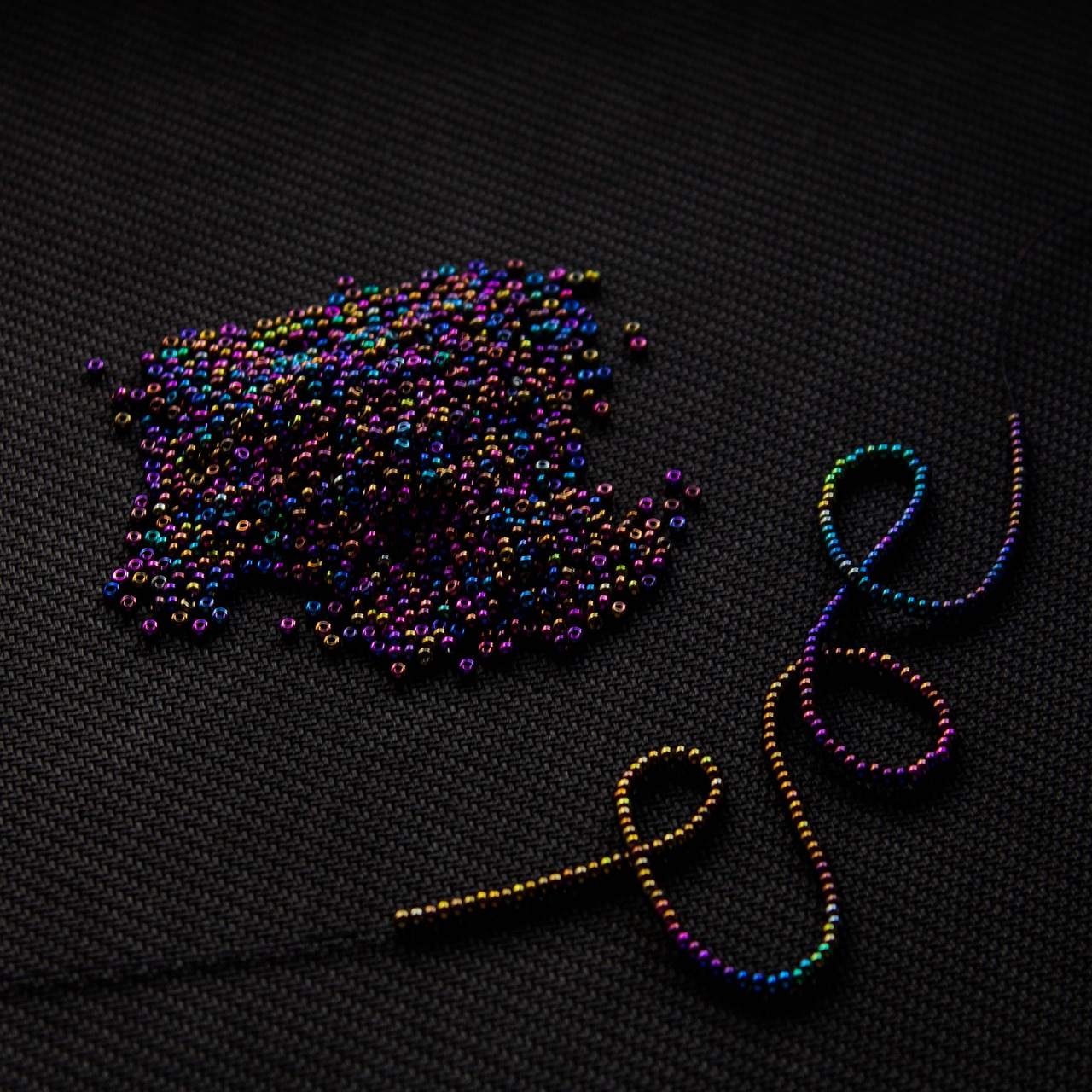
- Bead stringing: start with larger beads and thicker strings, then move to smaller materials as skills improve.
- Spaghetti and cereal: thread O-shaped cereal onto a piece of uncooked spaghetti, which keeps its shape better than string.
- Pasta towers: stand drinking straws upright in play dough and thread pasta over them.
- Muffin tin sorting: sort pom poms or crumbled paper by color using fingers, tongs or toy tweezers.
- Clothespin squeeze: clip clothespins onto pipe cleaners.
- Block towers: aim for a tower at least nine blocks high, which uses both hands.
Sorted pieces are easy to count out loud, and the guide to counting activities for preschoolers has more ideas for that. Sources for these ideas include Highlights and Waterford.org.
Paper, chalk and clothing practice
Paper is cheap and endless. Offer child-safe scissors and a variety of paper, and save scraps for cutting, as Bright Horizons suggests. Scissors that cut squiggly or jagged lines add variety, and paper chains give the cutting a purpose.
- Ripping: tear paper into small pieces, then glue them into a mosaic, an idea Highlights credits to NAPA.
- Bubble wrap: pop it with finger pinches to work the finger muscles.
- Cotton swab painting: Highlights says this builds the grasp used for pencils and crayons, leading toward tracing shapes and letters.
- Chunky chalk: Waterford.org calls big sidewalk chalk easy for young hands to grasp.
- Everyday fasteners: practice buttons and snaps on a piece of clothing, or open and close plastic containers with lids.
How do you set up fine motor play at home?
Keep it simple and low pressure. A few steps make most of these games run smoothly:
- Pick one activity and put the items on a tray or table.
- Show your child a couple of ways to use them, since modeling is part of the Bright Horizons approach.
- Give one short, clear instruction at a time. The guide on how to teach a child to follow directions covers that in more detail.
- Stay close when your child uses scissors or small pieces.
- Make the task harder only when the first version feels easy.
Progress is rarely a straight line, and Bright Horizons points out that some children take a little longer than others of a similar age. If something worries you, talk to your own doctor or your child’s school.
Frequently asked questions
Which fine motor activities for preschoolers need no shopping?
Show answer
Playdough you make yourself, tape strips, a colander with pipe cleaners and a bin of scrap paper for cutting all work. A water station with cups and spoons also uses things you already own.
What can I use if I don’t have tweezers?
Show answer
Kitchen tongs, toy tweezers or just fingers all work for sorting, according to Bright Horizons. A spatula can also lift small blocks into a muffin tin.
Do these games help with zips and snaps?
Show answer
Highlights links stringing to the hand-eye coordination used on a zipper. It also says ripping paper builds a grasp like the one needed for jacket snaps, as noted on its blog.
My child seems behind their friends. Should I be concerned?
Show answer
According to Waterford.org, some children don’t develop these skills at exactly the same time as peers. It names your pediatrician as the best person to ask about questions or concerns.