Family routines for young children don’t need to be rigid timetables. You can anchor the day around sleep, meals, movement, reading and screen limits, then adjust as your child grows. Start with one or two anchors.
| Item | Value |
|---|---|
| Nightly sleep for preschoolers | 11-13 hours each night |
| Naps should cease by | 5 years old |
| Daily activity guideline cited by the AAP | at least 60 minutes of moderate to vigorous activity per day |
| Preschooler screen time (KidsHealth) | less than one hour a day |
| Devices off before naps and bedtime | at least one hour |
| 2-to 4-year-olds with a TV in their bedroom | 37% |
The figures come from the AAP preschooler timeline and KidsHealth, whose page shows a review date of October 2026. Guidance and statistics can change, so check the sources before you rely on them.
Start with a few daily anchors
A family routine is the usual order of the day, not a minute-by-minute timetable. A few fixed points, such as waking, meals, outdoor time and bed, tend to carry everything that happens between them.
The AAP’s preschooler physical activity page tells families to make time in the routine for active play every day. The same idea works for the other anchors: give each one a regular place in the day instead of squeezing it in when a gap appears.
Most households can build their day from these anchors:
- Sleep: a steady bedtime and a predictable wake-up window.
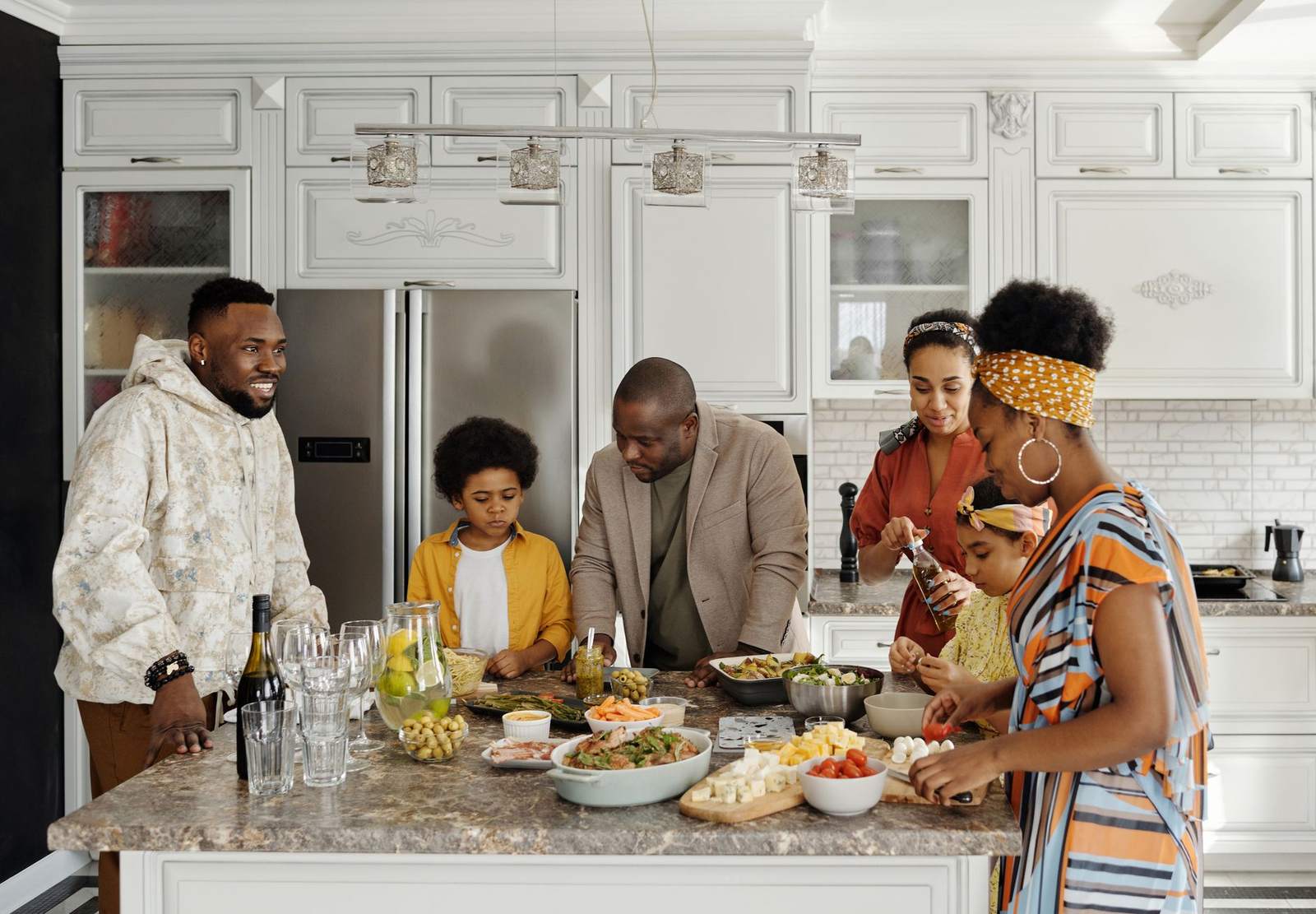
- Meals and snacks: the same place, the same rhythm, few distractions.
- Movement: time to run, climb and play, ideally outdoors.
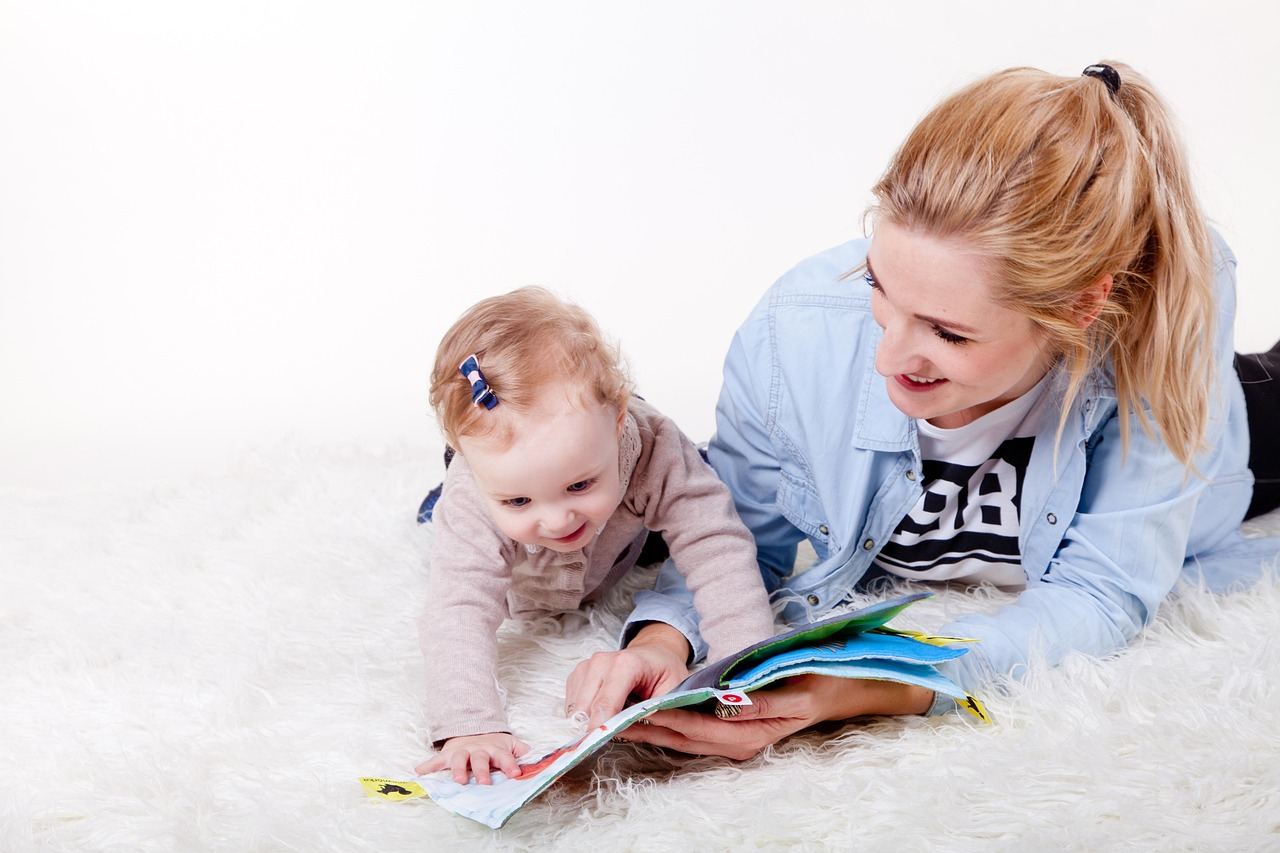
- Reading and play: a regular slot for books and unstructured play.
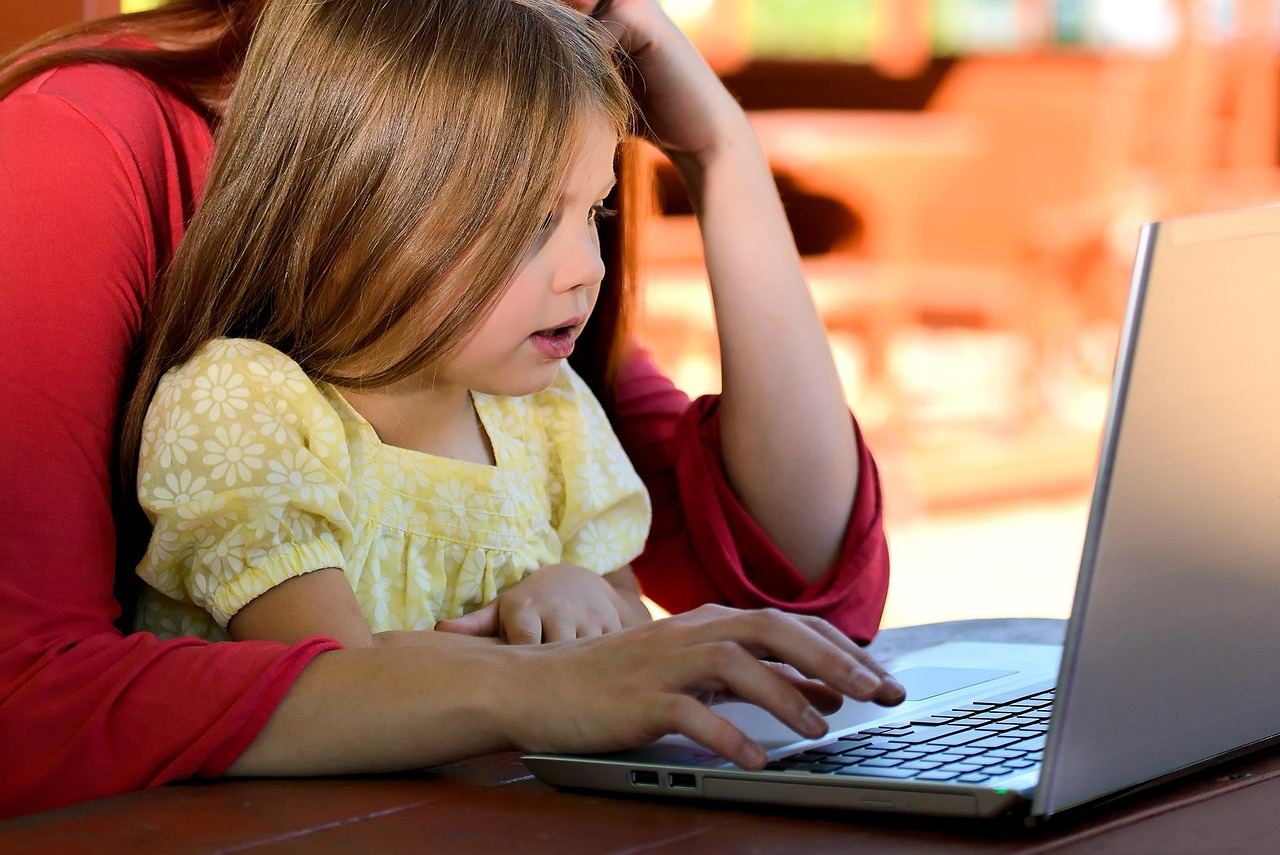
- Screens: clear start and stop points, kept away from bedtime.
You do not need to introduce all of them at once. Changing everything in a single week is the quickest way to make a routine collapse.
- Pick the anchor that causes the most friction at home.
- Write down the order of steps, not the clock times.
- Keep that order steady for a while before judging whether it works.
- Add the next anchor only when the first feels ordinary.
Sleep: the anchor the rest of the day leans on
Sleep shapes how every other part of the day goes. The AAP’s preschooler timeline says preschoolers should sleep between 11-13 hours each night, and that naps should cease by 5 years old.
The same page notes that evidence suggests a decrease in sleep duration across all age groups over the past 20 years. That is a reason to treat bedtime as something to plan around rather than whatever is left over after the evening.
A bedtime routine for preschoolers gives sleep a predictable run-up: the same few calm steps, in the same order, every night. If you want the range in more context, the guide on how much sleep does a preschooler need looks at it in more detail.
Screens are part of the evening picture too. As of KidsHealth’s October 2026 review, its advice is to turn off devices at least one hour before naptime and bedtime and to keep TVs and other electronics out of your child’s bedroom, as set out on the KidsHealth media use page.
When term time is close, the guide on how to adjust sleep schedule before school starts explains how to move bedtime and waking toward the school-day pattern.

Mornings and mealtimes
A calm morning is usually decided the evening before: clothes chosen, bag by the door, breakfast thought through. The guide to a morning routine for kids before school walks through the order of a school-day morning.
Meals are the second daily anchor, and they are where drinks, snacks and screens tend to blur together. The AAP timeline reports that approximately 50% of U.S. 3-year-olds consume sweetened beverages on a given day. It also says increased TV time is associated with lower fruit and vegetable consumption.
The AAP’s physical activity page lists avoiding snacking while watching TV among its screen tips. The guide to mealtime routines for preschoolers covers how to set up meals that keep screens out of them.
KidsHealth also suggests putting your phone aside during meals and other family times, because children learn by watching the adults around them. Its media use page frames this as modelling healthy habits.
- Eat in the same place most days.
- Switch the TV off before food arrives.
- Keep your own phone out of reach at the table.
- Let children see the same sequence each time: wash hands, sit, eat, clear up.
Active play, reading and play-based learning
Movement needs a place in the routine because it does not happen automatically. The AAP’s physical activity page says many children less than 5 years of age fail to meet the CDC guideline of at least 60 minutes of moderate to vigorous activity per day.
The AAP timeline adds that preschoolers need at least 60 minutes of structured activity and at least 60 minutes of unstructured activity. Per the physical activity page, play spent outdoors in this age group seems to yield more active play than when play occurs indoors, so a daily outing is a simple anchor.
The AAP also links activity to school readiness. Its timeline says school readiness is an area to explore in terms of physical activity and appropriate motor development as well proper nutrition.
Books and play belong in the same daily pattern. KidsHealth advises that your child has lots of time each day to move, explore, read books, sleep, and be with caregivers and friends, as written on its media use page.
- For reading, the guide on how to read with your preschooler suggests ways to make a regular slot work.
- For everything else, learning through play at home shows how everyday games can fit between anchors.
Setting screen limits that fit the day
Screens are the anchor most likely to expand if nobody sets a boundary. The AAP timeline reports that 80% of 2-4 year olds have used a mobile device for any media activity, and that 37% of 2-to 4-year-olds have TVs in their bedroom.
Two limits appear in the sources, and they differ. As of KidsHealth’s October 2026 review, the advice is to aim for less than one hour a day of screen time and to choose good-quality shows or apps, per its media use page. The AAP’s physical activity page lists limiting TV exposure to less than 2 hours/day, avoiding commercials, and no TVs in children’s bedrooms.
Because the numbers differ, your child’s doctor is the right person to ask which limit suits your family. The guide to screen time for preschoolers compares the advice in more depth.
The KidsHealth page offers several habits that work whichever limit you pick:
- Watch together and talk about what you see.
- Try other comforts first, since using screens too often to calm big feelings can leave children fewer chances to practise coping skills.
- Keep screen-free time in every day.
- Count video chats with grandparents or other family friends as quality time with others rather than ordinary screen use.

How do routines connect to starting school?
A school day runs on order: arrive, settle, eat, play, rest. Children who already know the shape of a home day, with its sleep, meal and play anchors, have a head start on recognising that pattern.
Routines are one part of getting ready, alongside the skills children pick up through play and reading. The preschool skills checklist lists the everyday skills worth noticing, and the starting school checklist covers the practical to-dos as the first day approaches.
The AAP notes that body awareness and large and fine motor skills are important aspects of school readiness, according to its physical activity page. Active play in the daily routine is one way to practise them.
If you have worries about your child’s health or development, talk to your own doctor or the school rather than relying on a general guide.
Frequently asked questions
Does a routine have to follow the clock?
Show answer
No. Many families keep the sequence steady and let the exact times drift with the day. What matters to a child is knowing what comes next.
Where should I begin if the days feel chaotic?
Show answer
Choose a single pressure point, often the evening, and settle the order of steps there first. Once it feels routine, move on to mornings or meals.
Can screens ever be part of a routine?
Show answer
They can, with limits. KidsHealth, in its October 2026 review, suggests watching together, picking quality content and keeping devices away from bedtime, and treats video calls with relatives as time spent with others, as described on its media use page.
Who should I ask if I am unsure what is right for my child?
Show answer
Your child’s doctor or their school can advise on health, development and media use. The KidsHealth page itself says to talk with your doctor if you have questions or concerns about managing your child’s media use, and the same applies to any routine that is not working.