Is your child ready to dress, wash and eat with less help from you? Self-care skills for preschoolers grow gradually: support first, then shared effort, then independence. Pace varies between children.
The wider picture of early skills sits in the preschool skills checklist, which this guide expands on for everyday routines.
| Item | Typical value |
|---|---|
| Milestone, 3-4 years | Participates in self-care with support |
| Milestone, 4-5 years | Actively participates in self-care tasks |
| Milestone, 5-6 years | Performs self-care tasks independently |
| Handwashing | Soap and water; before eating, after using the bathroom, after blowing nose |
| Fine motor tasks used in self-care | Cutting along a line, pouring, buttoning |
These figures come from the Open Oregon adaptive skills chapter and Head Start’s perceptual, motor and physical development indicators. Milestones can change when sources are revised, so check the source before you rely on them.
What self-care looks like at each age
Self-care is the set of everyday jobs a child gradually takes over: eating, dressing, toileting and washing. The Open Oregon chapter lists typical milestones for 3-4 years, 4-5 years and 5-6 years.
- Younger preschoolers eat and drink with increasing independence, dress with decreasing support, and use the toilet and wash with decreasing support.
- Middle preschoolers take part in basic health and safety routines, make healthy food choices and follow multi-step directions.
- Older preschoolers perform self-care tasks independently, follow safety rules and adapt to changes in routine.
Treat these stages as a direction of travel, not a deadline. The same chapter notes that its milestones are typical for American children, but there is considerable diversity in when these skills develop.
Independence also rests on more than willingness. According to the chapter, a child needs age-appropriate fine and gross motor skills, emotional regulation, communication skills and the ability to listen and understand.
Hygiene: handwashing and tooth brushing
Head Start’s school readiness indicators describe a slow shift in personal hygiene. Younger preschoolers show awareness, such as telling an adult it is important to wash hands before eating.
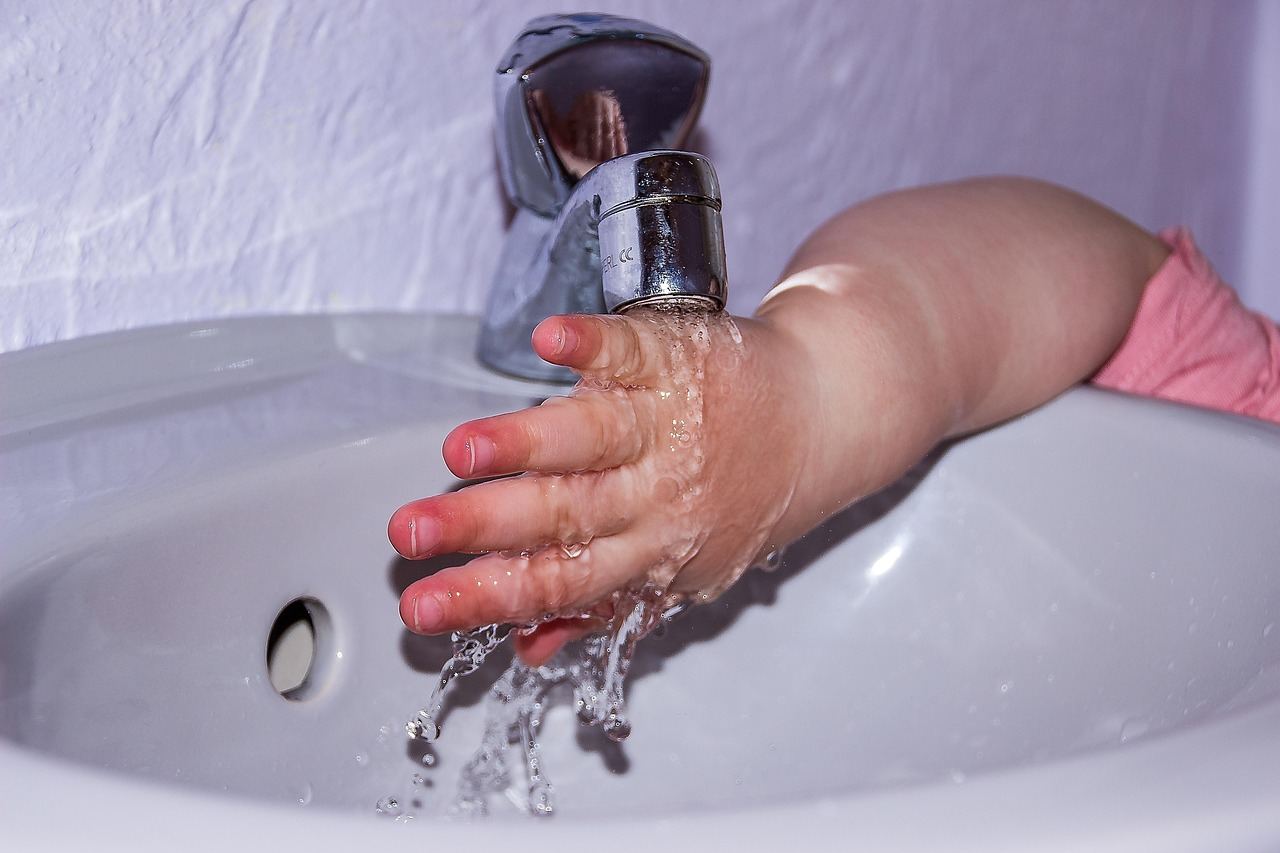
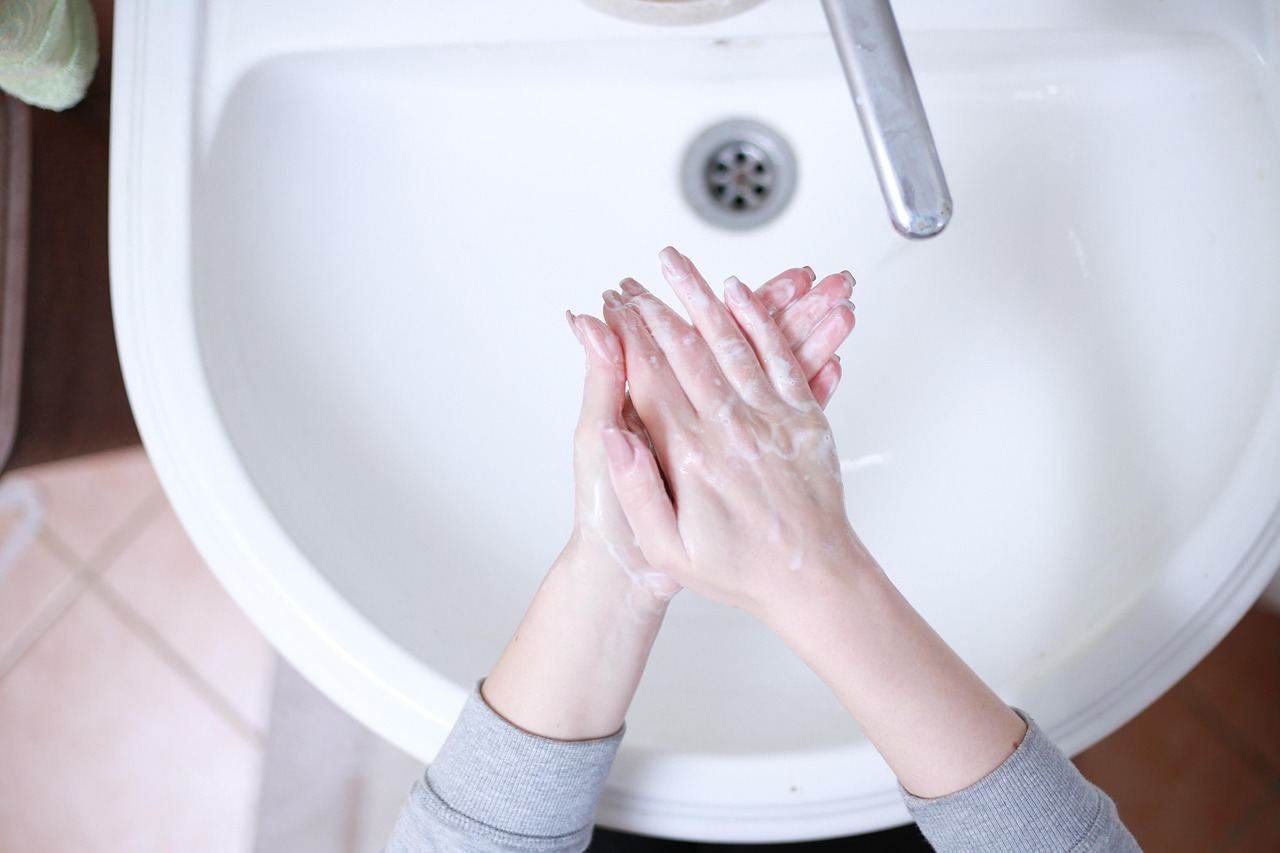
In the middle stage, children begin to take more responsibility and sometimes complete routines without adult prompting. They wash hands with soap and water, and know to do so before eating, after using the bathroom, or after blowing their nose.
By the last stage of the progression, the indicators describe an increasing ability to take responsibility for self-care such as brushing teeth or getting dressed, per the same Head Start page.
- Keep soap and a towel where your child can reach them.
- Do the routine in the same order each time, so it becomes a habit.
- Brush your own teeth beside your child so the routine feels shared.
If clothes are the sticking point, the guide on teaching kids to dress themselves goes through it in more detail.
Dressing, eating and safety routines
The health encyclopedia from Kaiser Permanente suggests letting a child work on getting dressed with elastic pants and pull-on shirts. Easy clothes remove most of the frustration.
Eating is another routine that matures. Head Start’s nutrition indicators end with children who moderate food consumption based on awareness of their own hunger and fullness.
Safety routines follow the same pattern. The same indicators describe children who identify and follow basic safety rules with adult guidance and support, such as transportation and street safety practices.
Fine motor control matters too. Head Start lists cutting along a line, pouring and buttoning as complex tasks that use coordinated movements, according to its fine motor indicators. Hands that manage buttons are also getting ready for writing, which the guide on how to teach a child to hold a pencil covers.
How to help your child practise
Kaiser Permanente warns that children who are not allowed to perform tasks on their own get the message that they are not capable. Independence grows from practice they actually get to do.
The Open Oregon chapter says caregivers can support skills by providing assistance when needed, modeling, and giving ample opportunities to practise. A simple routine follows from that:
- Show the skill slowly while your child watches.
- Help with only the hardest step, then step back.
- Let your child finish the last step, so every attempt ends in success.
- Leave extra time in the morning so nobody is rushed.
- Comment on effort (“you got your arm through”) rather than only the result.
When should you ask someone about progress?
Some children master adaptive skills faster than others, and the Open Oregon authors call that completely normal. A neighbour’s child buttoning a coat earlier tells you little about yours.
If you are worried about your child’s progress, talk to your child’s doctor or school. This site cannot assess development or give medical advice.
The Open Oregon infant and toddler chapter notes that early childhood educators and pediatricians often evaluate and observe children to determine whether they are developing age-appropriate skills. They are the right people to ask.
Frequently asked questions
Is it all right to help when you are in a hurry?
Show answer
Yes. Kaiser Permanente acknowledges that doing things for children is often easier and faster, and asks adults to leave room for children to take care of their own needs as appropriate. Save practice for calmer moments.
Which self-care skill is a good place to start?
Show answer
Washing hands is a manageable first step. The same Kaiser Permanente article suggests teaching a child to wash their own hands.
Why do families see different timing?
Show answer
Culture plays a part. The Open Oregon text says cultural factors can influence the rate at which adaptive skills form, and some families expect and teach independence more robustly than others.
Can a child be independent at some tasks but not others?
Show answer
Yes, and that is common. Head Start’s indicators say younger preschoolers may not complete hygiene skills regularly without adult guidance and supervision, even when they understand why the routine matters.