Wondering how to help your child know their letters without flashcard battles? Good letter recognition activities for preschoolers are short, playful and hands-on: magnetic letters, storybook pauses and sound games, a few minutes at a time.
This guide sits alongside the preschool skills checklist, which covers the wider skills children build before school.
| Item | Value |
|---|---|
| Suggested goal by the end of preschool | At least 18 uppercase and 15 lowercase letters |
| Kindergarten expectation under Common Core | All uppercase and lowercase letters and their sounds |
| Lesson length in a reviewed preschool study | 10-15 minutes |
| Group size in that study | Three to five children |
| Length of that study | Eight weeks |
| Review finding for that study (June 2022) | No statistically significant positive findings |
The figures come from Ohio State’s College of Education and Human Ecology and the What Works Clearinghouse review of one preschool study. Figures and standards can change, so check the sources before you rely on them.
Why knowing letters helps before school
Knowing letter names and their sounds is treated as a key step in early literacy. One research paper on preschool teaching calls alphabet knowledge the strongest predictor of later reading ability, as published in Reading and Writing.
Schools set their own expectations. In Ohio State’s April 2015 article, kindergarteners under Common Core standards must know and recognise all uppercase and lowercase letters and their sounds, while preschool standards differ greatly from state to state.
The same article reports a researcher’s suggested goal of at least 18 uppercase and 15 lowercase letters by the end of preschool. Treat that as a rough target, not a test your child has to pass.
Start by seeing which letters your child already knows
Children pick up letters at different rates, so the useful first step is a quick check. The Ohio State article describes teaching that begins by assessing which letter names and sounds a child recognises, then focusing practice where help is most needed.
At home, a check can be casual and low-pressure:
- Ask your child to point out the first letter of their own name on a cereal box or a sign.
- Lay out a handful of magnetic letters and see which ones they name without help.
- Jot down the letters they know and the ones that still look like a mystery.
Some letters are easier than others. According to the Reading and Writing paper, letters like B and F carry a cue to their sound in their names, while the names of letters like W and H give no such cue. That suggests starting with letters whose names offer a sound clue.
Playful letter games to try at home
In one preschool study reviewed by the What Works Clearinghouse, children practised saying a letter’s name and sound, picked the letter out of an array of magnetic letters, and listened for words starting with the letter sound using picture cards. Those three moves translate neatly into home games.
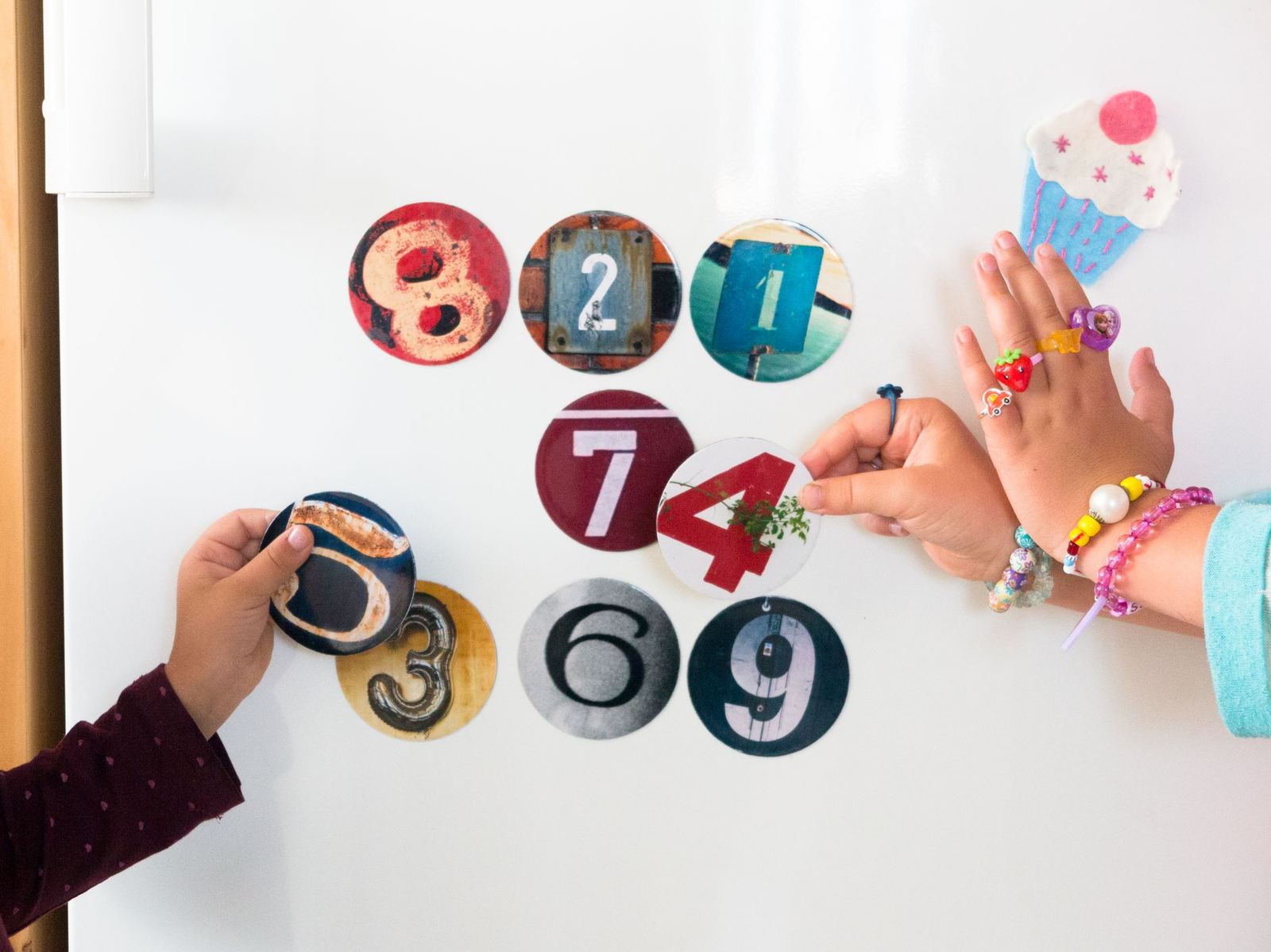
- Magnetic letter hunt: hide a few magnetic letters around a room and ask your child to find one, say its name, and stick it on the fridge.
- Picture-card sound sort: use pictures from old magazines and ask which ones start with the same sound as the letter in your hand.
- Name-letter spotting: look for the letters of your child’s name on packaging, shop signs and book covers.
- Alphabet book of the day: pick one letter page in an alphabet book and revisit it a few times that week.
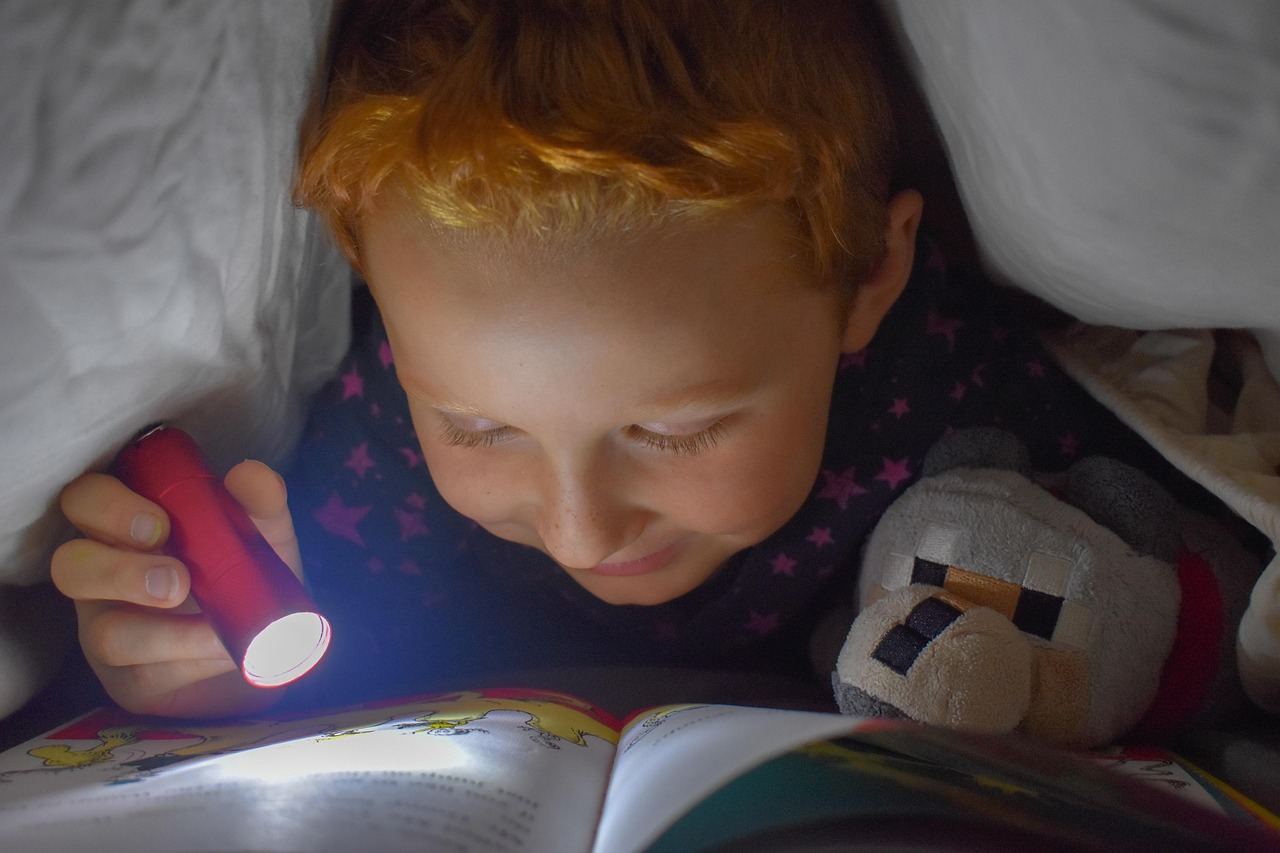
Shared reading is another easy route. Ohio State’s article says that instead of reading a story straight through, adults can pause to teach children about letter shapes, names and sounds as they read, a practice it links to research with a colleague at the university (Ohio State).
The guide to early reading activities for preschoolers covers more ways to build on shared books.
Keep sessions short and link names to sounds
The reviewed study delivered an eight-week programme of lessons lasting 10-15 minutes each, taught to small groups of three to five children, according to the What Works Clearinghouse summary. At home, that points toward brief sessions with one or two children rather than long drills.
You also do not need to cover the whole alphabet at once. A second reviewed preschool study taught just 12 letters, chosen for how their names are pronounced and how easy they are to learn, as the What Works Clearinghouse entry describes.
Pairing a letter’s name with its sound appears to help. A randomised comparison reported that combined name-and-sound teaching gave benefits for learning letter sounds, though the benefits did not generalise to other early literacy skills (Reading and Writing paper).
Once letters feel comfortable, mix in counting activities for preschoolers so practice time stays varied.
What the research does and does not show
The What Works Clearinghouse reviewed two preschool studies of letter teaching, one with 38 students and another on a set of 12 letters. Both were rated as randomised controlled trials with low attrition, and both reported no statistically significant positive findings in the June 2022 reviews.
That does not mean letter practice is pointless. The first study compared letter lessons with number lessons designed to match them, and the clearinghouse notes that its review may not reflect the full body of research. Both studies used trained instructors in small groups, not parents at home.
Ohio State’s article adds that more studies are needed to find the best ways to support alphabet development. The practical takeaway is modest: keep letter play light, watch what your child enjoys, and let the pace follow them.
Frequently asked questions
Should my child learn letter names or letter sounds first?
Show answer
Neither has to wait for the other. A researcher quoted by Ohio State has seen promise in teaching the two at the same moment instead of names alone first, although the university says further research is still needed.
Do I start with uppercase or lowercase letters?
Show answer
The sources here do not settle that question. Because the suggested preschool goal counts both kinds of letter, a mix of the two in everyday play is a reasonable approach.
What if my child loses interest quickly?
Show answer
Stop while it is still fun and try again another day, perhaps with a different game. If you have a worry about your child’s hearing, attention or development, talk to your own doctor or your child’s teacher.
Do I need to buy a programme or flashcards?
Show answer
Nothing in the supplied sources calls for a purchased programme. Everyday items such as magnets, picture books and food packaging give plenty of chances to spot and name letters.