
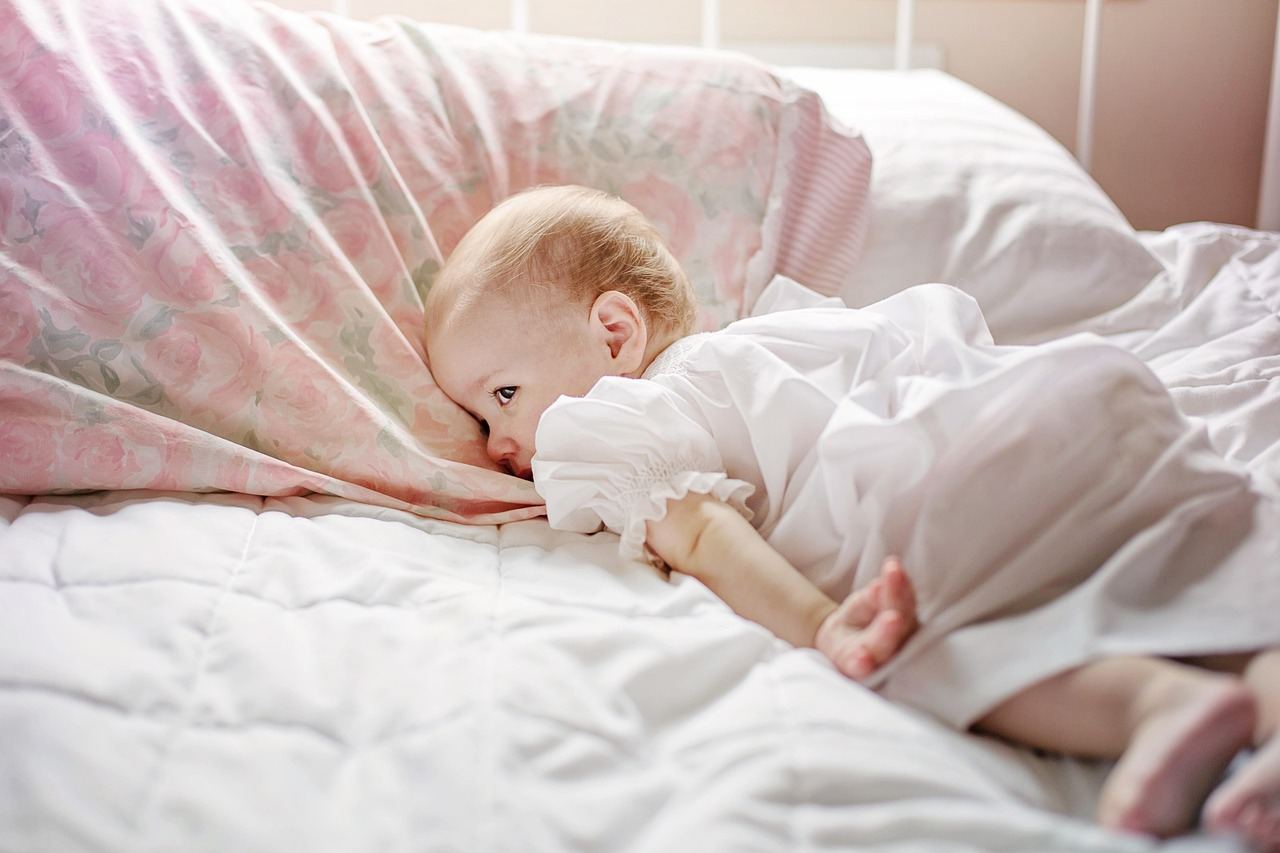
Bedtime battles wear you out. A calm bedtime routine for preschoolers is a short, repeatable sequence, such as brush, book, bed, done in the same order each night, with screens off first.
This page is one part of our wider guide to family routines for young children.
| Item | Value |
|---|---|
| Screens off before bedtime | At least 60 minutes (1 hour) |
| Home temperature guidance for infants and children | 68°F to 72°F |
| Example routine for young children | Brush, book, bed |
| Waking time | The same on weekdays and weekends |
| Screens in children’s bedrooms | Kept out, especially at night |
These figures come from the American Academy of Pediatrics’ HealthyChildren.org sleep page. Guidance can change, so check the source before you rely on them.
What a calm bedtime routine looks like
A routine is the same few activities in the same order every evening, ending in a quiet, dim room. The AAP’s HealthyChildren.org page says all children thrive on a regular bedtime routine. For young children it suggests starting early with something like brush, book, bed.
Predictability does most of the work. When your preschooler knows what comes next, there is less to negotiate, and you are not inventing a new plan every night.
A good routine also travels. The same page advises choosing sleep routines that can be used anywhere, so you can help your child get to sleep wherever you may be.
Build the routine step by step
Start small. Choose a handful of calming activities that you can realistically repeat on a tired night, and keep the order fixed.
- Pick the steps, for example brush, book, bed.
- Say the order out loud each evening so your child can anticipate it.
- Switch screens off before the routine starts.
- Dim the lights as you begin.
- End with the same goodnight words every time, then leave the room calm.
A short routine you can keep up beats an elaborate one that fades after a week. If a step keeps causing arguments, swap it for a quieter one rather than adding more.
Set up the evening around the routine
Screens are the first thing to adjust. The AAP recommends turning off all screens at least 60 minutes (1 hour) before bedtime, and keeping TVs, computers, tablets and phones out of children’s bedrooms, especially at night, according to HealthyChildren.org.

Next, look at the room itself. The same source says to dim the lights before bedtime and to control the temperature in the home, citing temperatures between 68°F to 72°F for infants and children (source). It also says not to keep toys in children’s beds.
If screens are a sticking point, the page suggests writing a Family Media Use Plan and setting boundaries about use before bedtime. Agreeing the rules in daylight is usually easier than arguing them at bedtime.
Keep the rest of the day steady
Bedtime starts in the morning. The AAP page says that the same waking time, on weekdays and weekends, along with regular mealtimes, nap time and play times, helps a child feel secure and helps bedtime go smoothly (HealthyChildren.org). It also suggests bright light when it is time to get up, to help stimulate wakefulness.
Days with interesting, varied activity, including physical activity and fresh air, are part of the same advice. You can find daytime ideas in learning through play at home.
Try not to fill every evening. The AAP warns that scheduled activities can make a good night’s sleep harder, and recommends leaving time to wind down.
What if bedtime keeps going wrong?
Stalling and resisting bed are common. The AAP lists the most common sleep problems in children as difficulty falling asleep, nighttime awakenings, snoring, stalling and resisting going to bed, and sleep apnea (HealthyChildren.org).
If you are worried about snoring, repeated waking or anything else that seems more than a phase, talk to your child’s doctor. This page cannot diagnose or treat sleep problems.
Enough sleep matters because regular sleep deprivation is linked on the same page to irritability and difficulty concentrating, among other problems. For a closer look at hours, read how much sleep does a preschooler need.
Your own habits count too. The AAP reminds parents that they are role models, and that making sleep a priority shows children it belongs to a healthy lifestyle.
Frequently asked questions
Should the routine change at weekends?
Show answer
The AAP page advises keeping the same waking time on weekdays and weekends, which keeps the rest of the evening predictable too (source).
Can the routine work when we are away from home?
Show answer
Yes, if the steps do not depend on one room or one object. Brush, book, bed can happen in a hotel, at a relative’s home or in your own house.
What about a daytime nap?
Show answer
The AAP page notes that sleep guidelines count all sleep across a day, so a nap needs to be included when you add up your child’s typical sleep hours.
Is a bedtime story on a tablet fine?
Show answer
The AAP advice is to keep screens out of children’s bedrooms and switch them off well before bed, so a printed book fits the routine more easily (HealthyChildren.org).
When should I ask a doctor about bedtime trouble?
Show answer
Raise it with your own doctor if your child snores, wakes often or struggles to settle night after night. A doctor can look at your child’s situation in a way a general guide cannot.