Wondering if you need fancy toys for learning through play at home? You don’t. Everyday items like cups, cardboard and wooden spoons work, and your attention matters most.
Play is one part of the daily rhythm covered in family routines for young children, so it helps to see it as part of the day rather than an extra task.
| Item | Value |
|---|---|
| Screen time, birth to 18 months | None, except video chatting with family and friends |
| Screen time, between 18 and 24 months | Educational programming watched with a caregiver |
| Screen time, preschoolers | No more than 1 hour a day, supervised by an adult |
| Screen time, school-age children | No more than 1-2 hours a day, not counting homework |
| “Prescription for play” from pediatricians | May begin at every well-child visit through age 2 |
These figures come from Childcare.gov and HealthyChildren.org. They can change, so check the sources before you rely on them.
Why does play count as learning?
The American Academy of Pediatrics says research shows play can improve children’s abilities to plan, organize, get along with others and regulate emotions, according to HealthyChildren.org. The same page adds that play helps with language, math and social skills, and even helps children cope with stress.
Childcare.gov goes a step further and calls play the main way young children learn. You can read that in its guidance on supporting children’s learning through play. A pile of cushions or a game of pretend shop is therefore more than a way to fill a quiet hour.
Childcare.gov lists several kinds of growth that play supports:
- Body: running, jumping, skipping, climbing and throwing and catching balls build large muscles, balance and coordination.
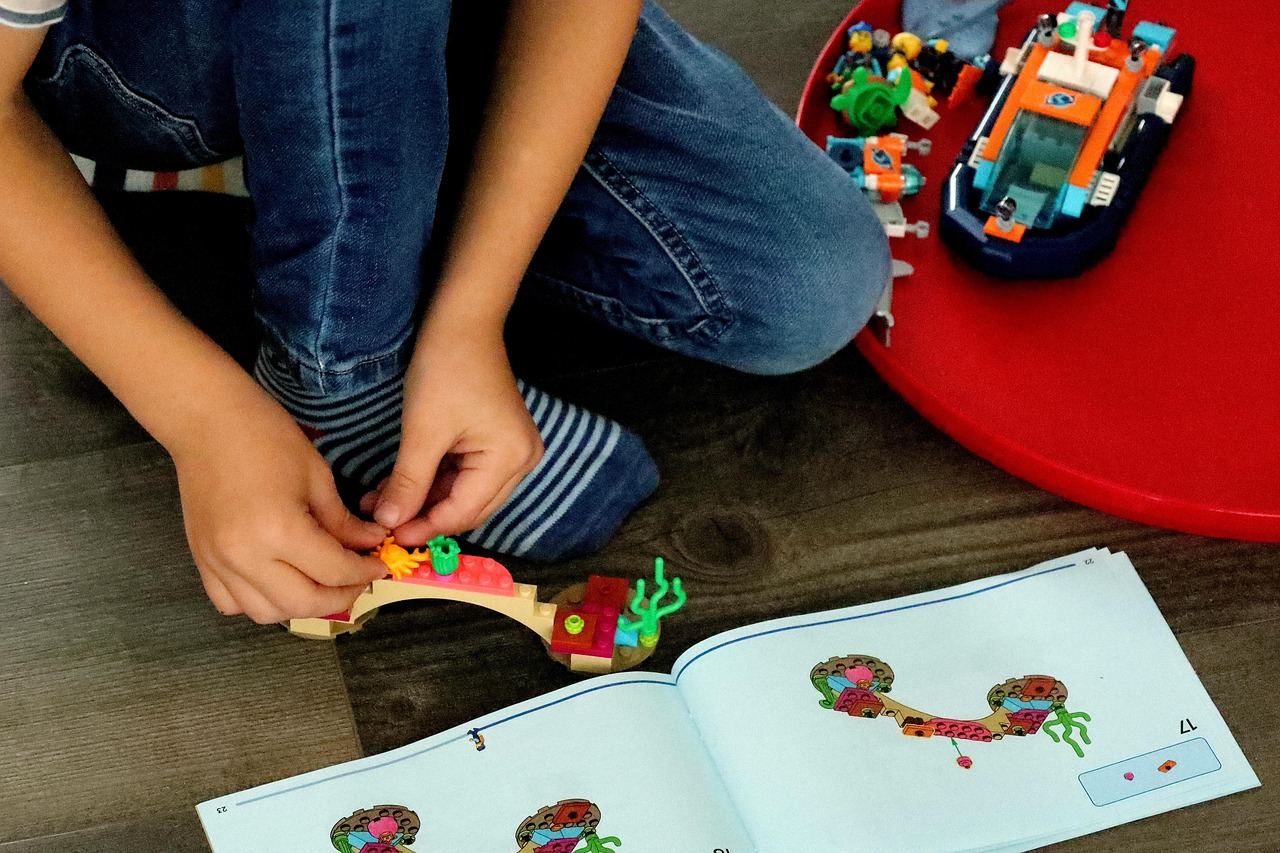
- Hands: puzzles, play dough, cutting paper and drawing build the small muscles used for fine motor skills.
- Feelings and friendships: children practise making friends, compromising, following rules and handling frustration.
- Language: children talk about what they are doing and pick up vocabulary from the people they play with.
The AAP page also points out that the time children get to play has been declining for decades. Tightly structured family and school schedules, fewer safe places to play and rising screen use are among the reasons it names.
Structured and unstructured play: you need both
Childcare.gov says children need a balance of structured and unstructured play, and that each type supports different parts of development, as set out on its learning through play page.
Structured play is organized by adults, and the child follows directions or rules to complete a task. Think of a scavenger hunt, a board game or a noncompetitive sport.
Unstructured play, often called free play, is when your child decides what to play with and how. In that kind of play, children need enough time to follow their own interests and use their imaginations.
Boredom is part of this. Childcare.gov says a little of it is good for healthy development, because it helps children build life skills such as planning, organizing, flexibility, managing frustration and solving problems. You do not have to fill every gap in the afternoon.
Play ideas for babies, toddlers and preschoolers
The AAP and the NSW Department of Education both suggest simple, age-matched play. The ideas below draw on HealthyChildren.org and the NSW Department of Education’s learning from home page.
Babies
- Smile back when your baby smiles. The AAP describes this as play that teaches a baby they can get your attention just by smiling.
- Imitate your baby’s coos and babbles and take turns, using their sounds as a prompt for back-and-forth “conversation”.
- Try supervised tummy time every day, as the NSW Department of Education suggests.
- Play peek-a-boo. It reinforces object permanence, the idea that something still exists even if you can see it.
Toddlers
- Offer pretend play, such as pretending to drink from an empty cup.
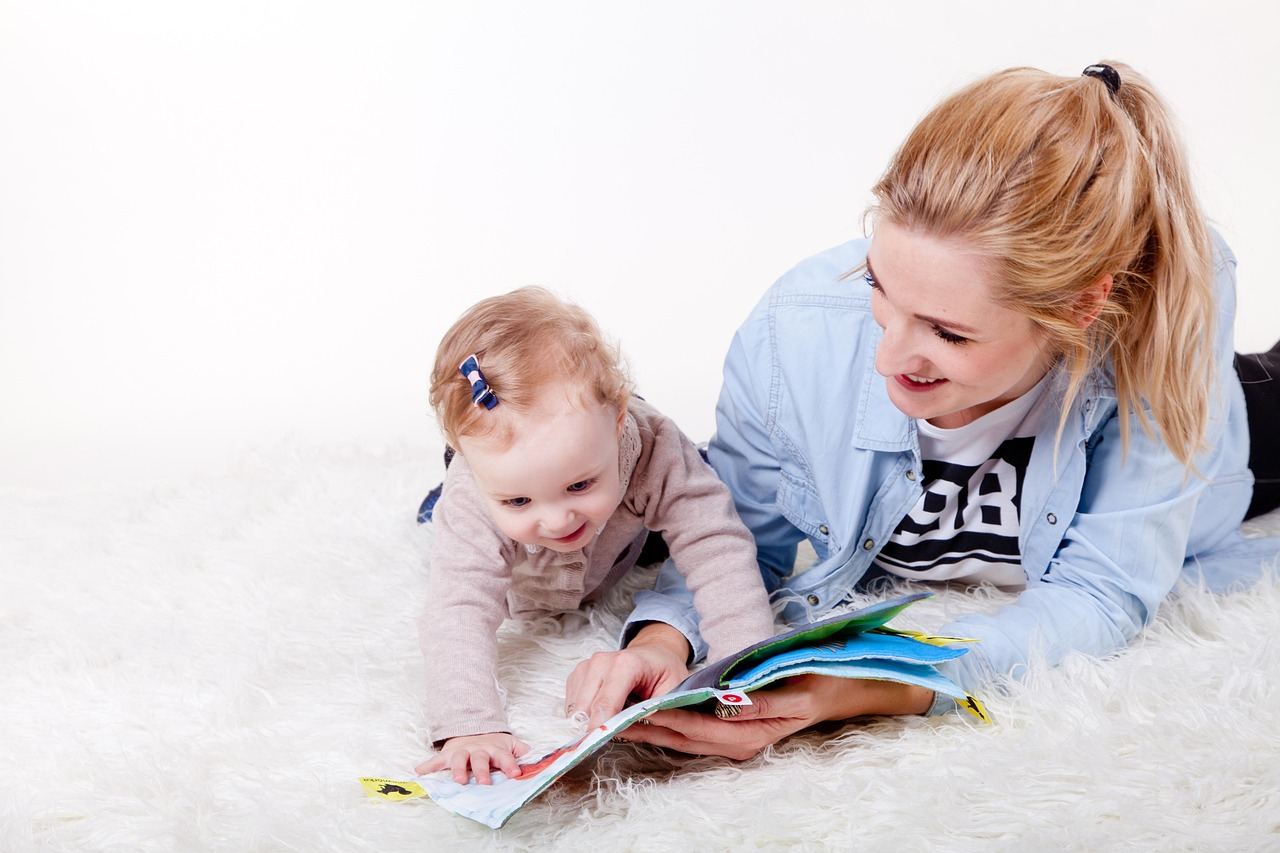
- Read together, then ask your child what else might happen in the story.
- Sing songs and play rhythms, and encourage moving to the beat.
- Introduce age-appropriate games like Simon Says.
Preschoolers
- Give them chances to sing, dance and draw.
- Tell stories and ask what they remember.
- Leave time and space to act out imaginary scenes and roles. Dress-up clothes and props are fine, but let the play stay unstructured.
- Let them move between make-believe and real life, such as playing house and then helping you with chores.
Stories double as play material, and the sibling guide on how to read with your preschooler covers that in more depth.
Household items that do the job
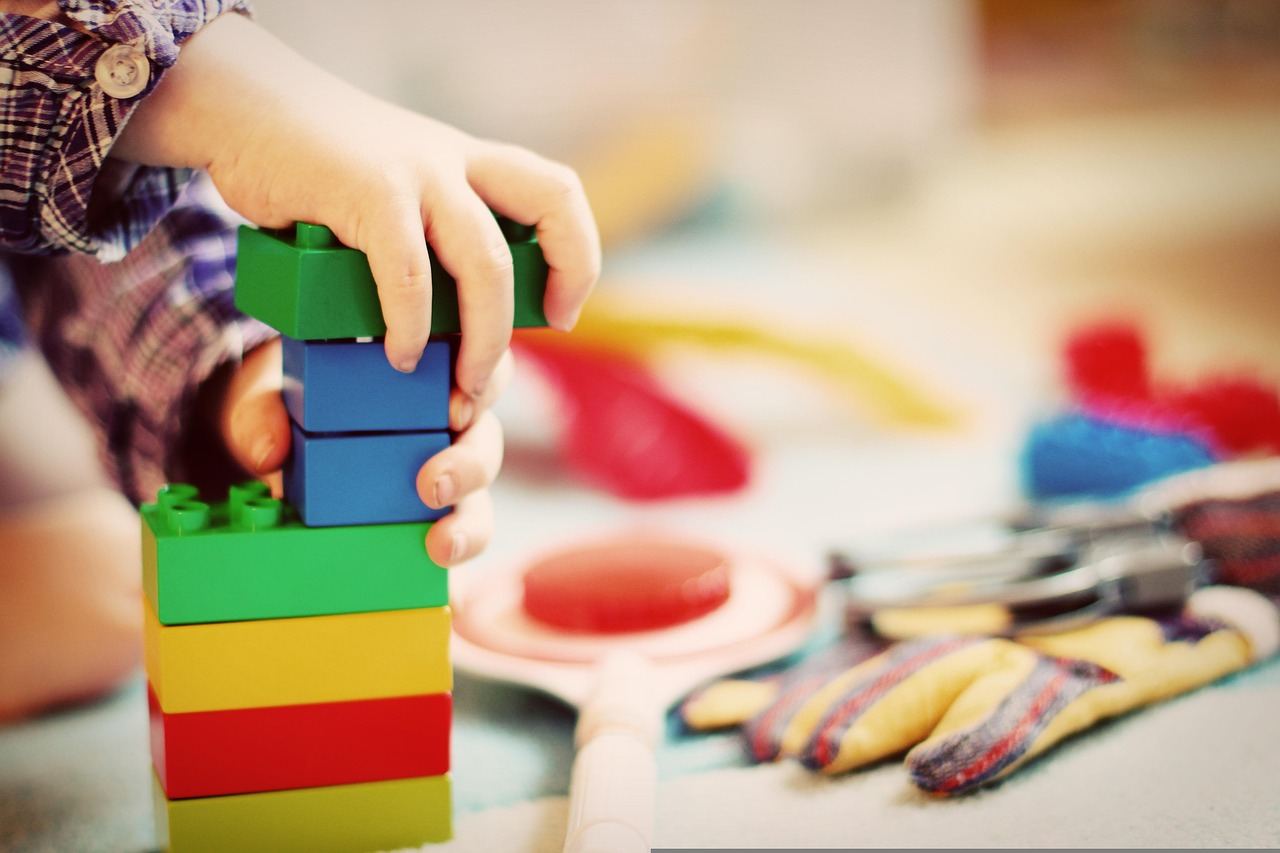
The NSW Department of Education says play can happen indoors and outdoors using everyday household items like cardboard, cups, spoons and old clothes. Its learning from home page says expensive toys are not needed.
A few ideas from that page and from the AAP:
- Cardboard boxes or chairs: turn them into tunnels to encourage crawling.
- Plastic bottles filled with rice: these make shakers.
- Wooden spoons, pots and pans: these make drums.
- Blocks, empty containers, shape sorters and puzzles: simple objects the AAP lists for toddlers.
- Old clothes: a ready-made dress-up box.
The AAP’s advice is that it is parents’ and caregivers’ presence and attention that enriches children, not fancy electronic gadgets. If time is short, sit down on the floor with your child and let them lead.
Play also helps a day wind down. Our guide to a bedtime routine for preschoolers shows how calm evening play can fit into that routine.
Screen time and play
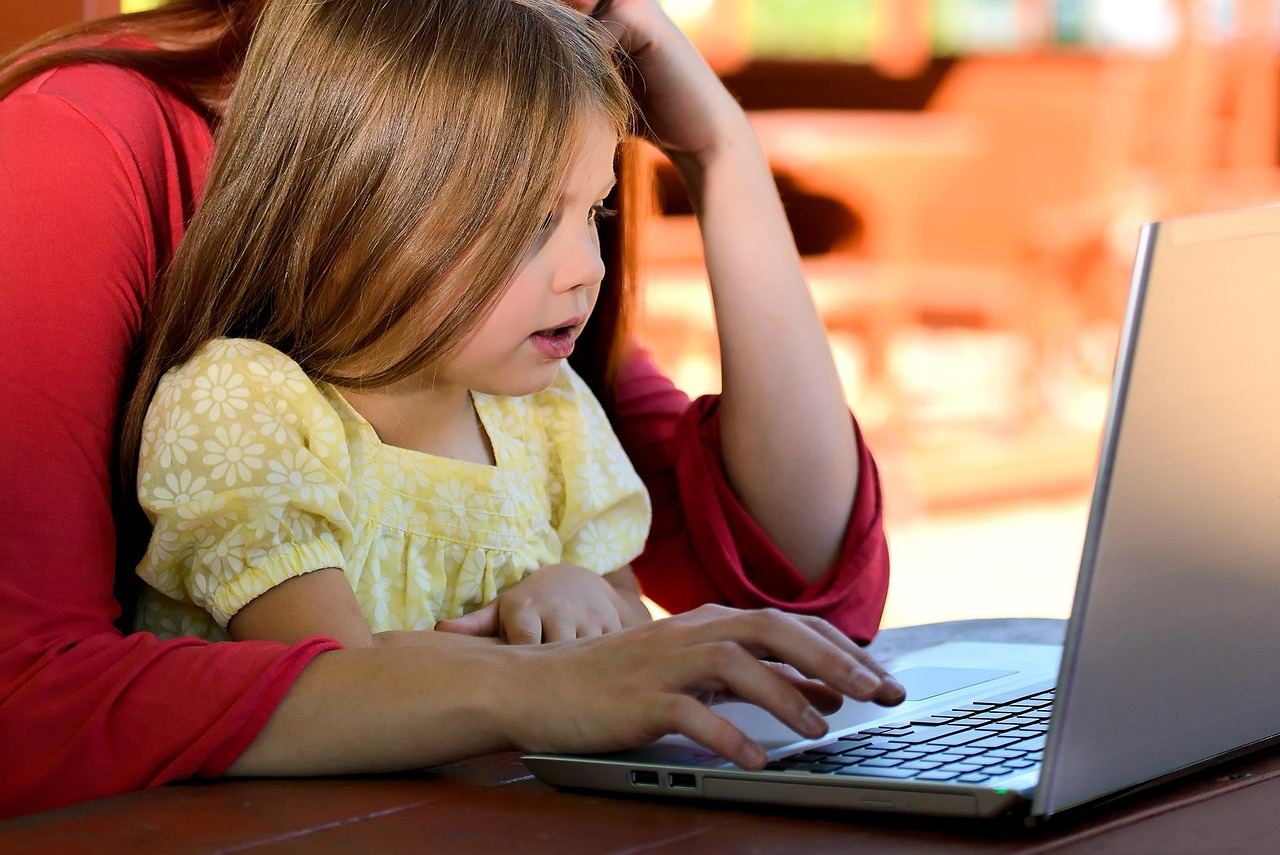
Childcare.gov states that screen time, whether games, apps, movies or shows, is not a replacement for playtime. It adds that appropriate content can be fine in moderation, according to its page on learning through play.
It then quotes AAP guidelines. Infants and toddlers up to 18 months should have no screen time apart from video chatting. Between 18 and 24 months, screen time should be limited to educational programming watched with a caregiver.
Preschoolers should have no more than 1 hour a day, supervised by an adult. School-age children should have no more than 1-2 hours a day, not counting screen time needed for homework.
The AAP also advises parents to look for child care or preschool programs that include playful approaches to learning. If you have a concern about your child’s development, talk to your own doctor or your child’s school rather than relying on any play list.
Frequently asked questions
Do I have to buy special toys for play to be educational?
Show answer
No. Boxes, kitchen cups and old clothes can all become props, and time with you counts for more than gadgets.
What should I do when my child says they are bored?
Show answer
Try waiting a little before offering an activity. Childcare.gov describes some boredom as useful, since it gives children room to daydream, be creative and work out their own solutions. See the Childcare.gov page for the full explanation.
Does a tablet game or a favourite show count as play?
Show answer
Not in place of it. Childcare.gov treats screens as a separate category and says they should not stand in for real playtime, so keep hands-on and make-believe play in the daily mix.
Who can I ask if I am unsure how my child is playing or developing?
Show answer
Your own doctor or your child’s school is the right place to start. Articles like this one cannot assess an individual child.