
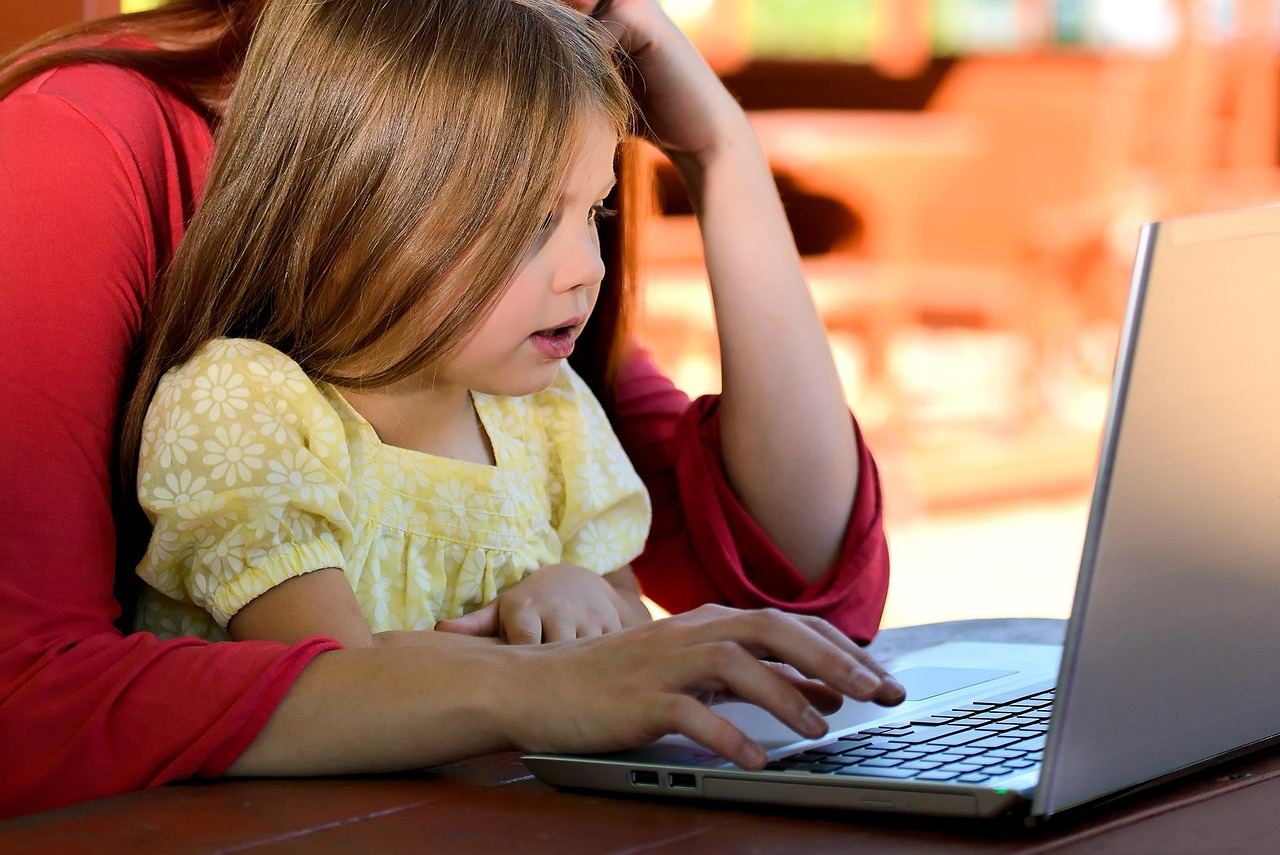
Worried about screen time for preschoolers? The short answer: health guidance says keep it to an hour or less a day, choose quality content, and switch screens off well before bed. Small habits make that doable.
This guide sits within the wider topic of family routines for young children.
| Item | Value |
|---|---|
| Screen limit for children 2 to 5 years (SCHN) | No more than 1 hour of sedentary screen time |
| Daily aim for preschoolers (KidsHealth) | Less than one hour a day |
| Devices off before naptime and bedtime | At least one hour before |
| Video chatting with family | Exception to the limit; counted as quality time |
| SCHN page last updated | 13 October 2026 |
Figures come from the Sydney Children’s Hospitals Network and KidsHealth. Guidance can change, so check the source before you rely on these numbers.
What do the guidelines say about screen time?
As of the Sydney Children’s Hospitals Network (SCHN) page last updated 13 October 2026, no more than 1 hour of sedentary screen time is recommended for children 2 to 5 years, and less is better. You can read the wording on the SCHN preschooler page.
The KidsHealth preschool page, medically reviewed in October 2026, gives a similar aim: less than one hour a day of good-quality shows or apps. It also notes that the American Academy of Pediatrics (AAP) recommends parents limit the time preschoolers spend in front of a screen.
Read the number as a ceiling rather than a target. Both sources say that fewer screen minutes are fine, provided your child has plenty of other things to do.
Why the purpose of a screen matters
The hour count is only part of the picture. SCHN says that in the preschool years it helps to consider the purpose of screens and whether they are replacing something that could help your child develop, as set out on its preschooler screen time page. It lists three things a screen can crowd out:
- a learning experience
- social interaction
- a physical object or resource, such as a toy or book
The same page says that, while screen time has many benefits, excessive time can affect physical health, mental wellbeing, the ability to form social connections, and sleep patterns.
KidsHealth puts it more plainly: it says too much screen time may lead to learning and sleep problems and increase a child’s chances of obesity. You can see this on its media use guidelines for preschoolers.

Habits that keep screen time manageable
KidsHealth lists several everyday habits on its preschool media page. Together they turn a vague limit into a routine you can follow.
- Watch together. Join in rather than letting your child use digital media alone, for example by talking about a show or playing a game side by side.
- Do your research. Many apps and games claim to be educational, but not all of them are, so preview what you can.
- Try other comforts first. Using screens too often to stop crying or calm big feelings can leave kids with fewer chances to practise coping skills.
- Keep screen-free time every day. Your child needs lots of time to move, explore, read books, sleep, and be with caregivers and friends.
- Help your child rest. Turn devices off at least one hour before naptime and bedtime, and keep TVs and other electronics out of the bedroom.
- Model the habit. Turn screens off when nobody is using them, and put your own phone aside during meals and family times.
Sleep is the habit many families find hardest to protect. If bedtimes are shifting as school nears, our piece on how to adjust sleep schedule before school starts covers the wider routine.
Meals are a natural phone-free window for the whole household. For ideas that fit around the table, see mealtime routines for preschoolers.
When screens can help
Screens are not all the same. KidsHealth says time with devices can reinforce learning and promote creative play when you choose educational programs, games and apps, according to its guidance for parents.
It also singles out video chatting with grandparents or other family friends as an exception to its daily aim, because it counts as quality time interacting with others. A call with a relative who lives far away is therefore treated differently from a long stretch of cartoons.
If you are unsure which shows or apps suit your child, KidsHealth points parents to Common Sense Media for age and content information. For any concern about your own child’s media use or development, talk with your doctor or your child’s school rather than relying on a general guide.
Frequently asked questions
Is it all right to hand over a tablet during a tantrum?
Show answer
KidsHealth cautions against doing this often, since kids then get fewer chances to practise handling big feelings. It suggests a hug, quiet music, reading together, a walk outside or a talk first, as described on its preschool page.
Where should phones and tablets sleep at night?
Show answer
The advice is to keep TVs and other electronics out of your child’s bedroom. Charging devices overnight in your own room, or another common area your child cannot easily reach, is also suggested by KidsHealth.
Do the two sources give the same limit?
Show answer
They are close. SCHN, on a page updated 13 October 2026, says no more than 1 hour of sedentary screen time for ages 2 to 5 years, while KidsHealth says to aim for under one hour a day. Both say less is better, and you can compare them on the SCHN page.
Who should I ask if I am worried about my child’s screen use?
Show answer
Start with your child’s doctor. KidsHealth says to talk with a doctor about any questions or concerns over managing media use, and this site does not offer medical or developmental advice. See its guidance.