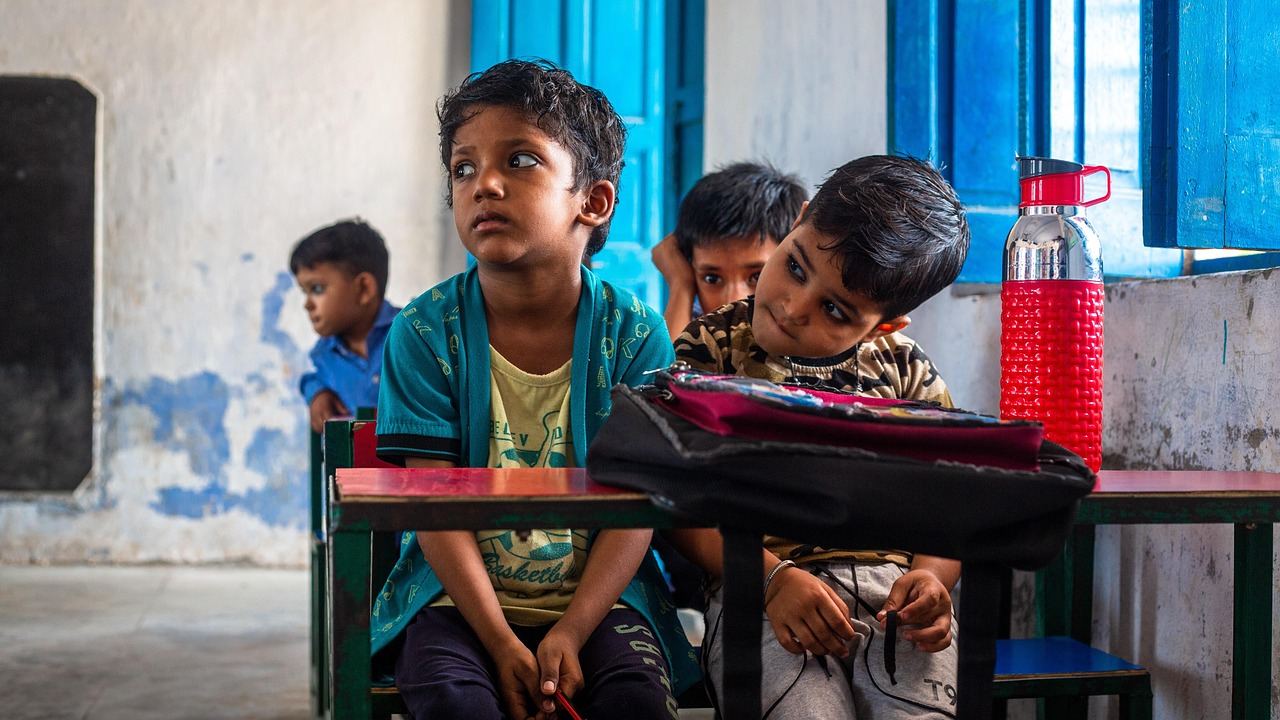

Tears at the gate are hard on you both. Separation anxiety when starting school is common and usually passes: keep goodbyes short and calm, prepare ahead, and tell the teacher.
If you are planning the wider run-up to term, the starting school checklist sets out the other jobs to tick off.
| Item | Value |
|---|---|
| Typical adjustment period | A day to several weeks |
| Pickup timing | Five minutes early |
| Separation anxiety past the preschool years | Rare |
| Goodbye style | A consistent ritual |
| When to contact a healthcare provider | Behaviour lasting more than a few days, or reaching into the elementary school years |
These figures come from Nationwide Children’s Hospital and Edutopia. Guidance can change, so check the source before you rely on it.
Why goodbyes at the school gate feel so hard
Separation anxiety is a normal part of development for all children, and school is not the only trigger: sleepovers and a parent’s business trip can set it off too, according to Nationwide Children’s Hospital. Children may be afraid that something bad will happen while you are apart.
It does not always look like tears. An upset stomach or headache is often how children show anxiety and fear, and clingy behaviour, pleading and tantrums are common just before the separation, as the same hospital guide describes.
A Queensland school’s parent guide says the worry usually has its roots in one or a combination of these:
- Fear of the unknown
- Fear of change
- Lack of control or choice
- Shyness or lack of confidence
- Little concept of time
Sometimes the worry follows a recent event, such as divorce or remarriage, the illness or death of a family member or friend, or a move somewhere new, Nationwide Children’s Hospital says.
Preparing before the first day
The more a child knows in advance, the less there is to fear, so familiarity is the main tool. Stanford Medicine Children’s Health notes that many elementary schools have online materials that families can look through before school begins.
Practical steps that the sources suggest:
- Go to any orientation or “Meet the Teacher” day. King’s College says most schools run these before the new intake arrives.
- Take the journey to school together a few times, and show your child where they will enter and where you will pick them up (King’s College).
- Stretch time apart gradually over several months, so your child gets comfortable with adults other than immediate family (Edutopia). Time with grandparents or a sports class both count.
- Help your child meet a future classmate if you can, because Edutopia says knowing one peer can ease first-day jitters.
- Practise getting dressed in the uniform, including the fiddly zips, buttons and laces.
Young children have little real sense of the clock, so give the day a beginning, middle and end with checkpoints such as morning tea and lunchtime, as King’s College suggests.
What to say and do at the gate
The wider morning routine is covered in these first day of school tips for parents, so this section sticks to the goodbye itself. Try these steps in order:
- Name the feeling, then show confidence. Stanford Medicine Children’s Health says techniques should suit the child’s age and acknowledge feelings about new situations without adding to the fear.
- Point to a “first thing”. Not knowing what to do or where to go on arrival increases anxiety, so suggest a puzzle, blocks or a friend by the water fountain (Edutopia).
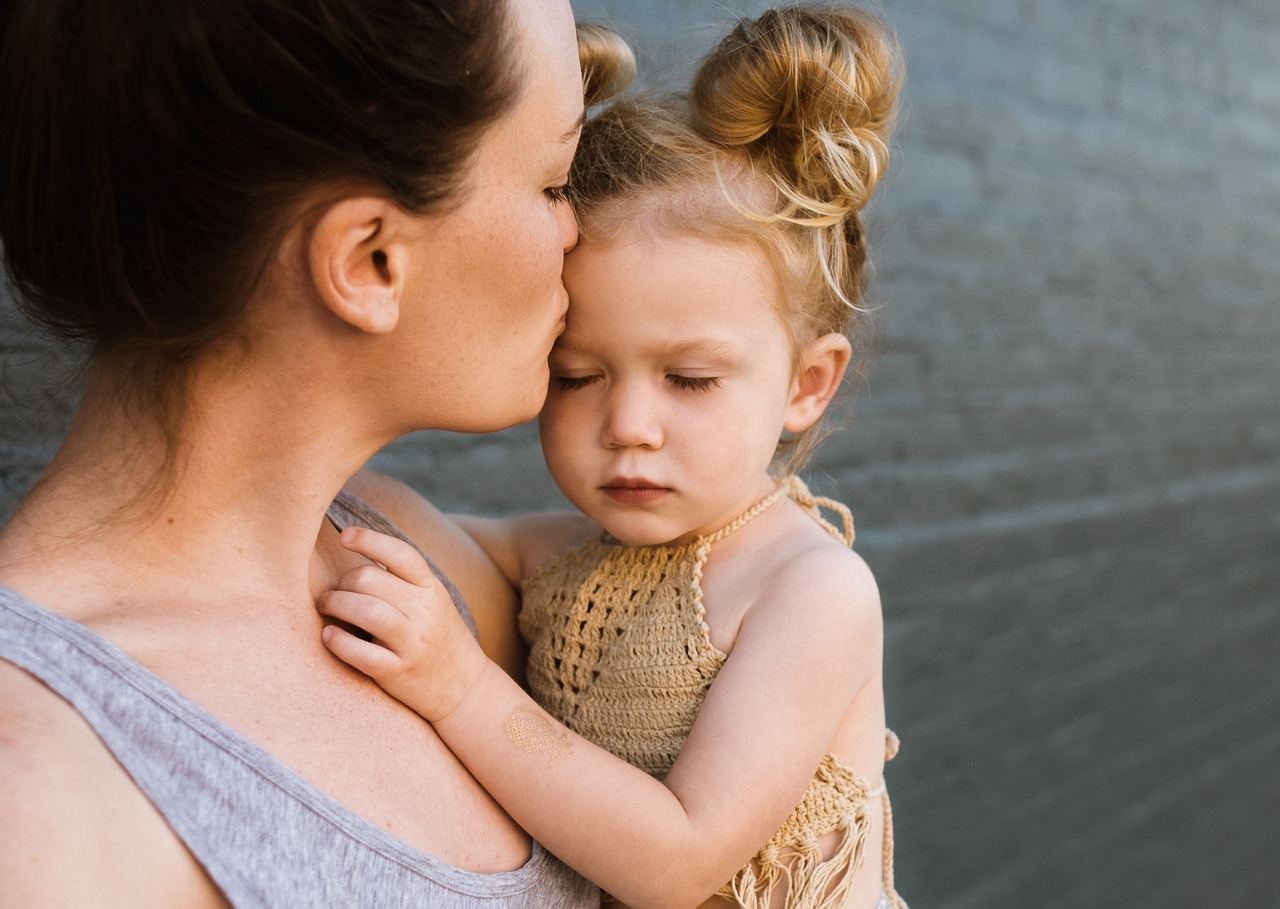
- Use the same goodbye every time. A private handshake or special kiss, practised beforehand, can help your child start to pull away.
- Say when you will return. Nationwide Children’s Hospital advises telling your child, in a way they can understand, specifically when you will come back, and then keeping that promise.
- Leave without lingering or sneaking. A drawn-out farewell increases anxiety, but slipping away unannounced is no better.
Your child takes cues from you, so stay calm and hold back the tears until you are out of sight, as Edutopia puts it. Children pick up on their parents’ stress and fears, and showing trust in the teacher helps.
A small comfort object can also help. Stanford suggests a pocket-sized stuffy to squeeze, though King’s College points out that not all schools allow toys, so ask first.
At pickup, be there five minutes early so your child never waits in doubt, says Edutopia. If your child cries when you arrive, it usually means they are delighted to see you.
What if the tears keep coming?
The best approach is to be supportive, yet firm, according to Nationwide Children’s Hospital. Giving in to arguments or tantrums teaches children that those things work, so hold the plan steady.
Ask what is behind the worry, because there may be a real problem such as a bully, a tough teacher or an assignment. Tell the teacher about your child’s worries; the same guide says most teachers are experts at handling separation anxiety.
Letting a child avoid school sends the wrong message, Stanford Medicine Children’s Health says. If your child keeps struggling, you can recruit teachers and school counsellors to plan ways to support their participation, and praise every day they go in and stay without much difficulty.
The weeks after the first day are covered in more detail in this guide on how to help your child settle into school.
Most of the time, school separation anxiety ends quickly. Edutopia says the adjustment process may take anywhere from a day to several weeks, and the King’s College guide notes that the vast majority of children stop crying soon after their parents have left.
When to talk to a doctor or the school
Contact your child’s healthcare provider if the behaviour lasts for more than a few days, if the symptoms seem severe, or if they extend into the elementary school years, Nationwide Children’s Hospital advises. It describes anxiety that persists beyond the preschool years as rare.
Edutopia lists a few signs that the worry may be more than ordinary transition jitters, and suggests talking to the teacher and a medical professional if you notice any:
- Clinginess that persists too long or interferes with normal activities
- Unrealistic worry about harm to loved ones, or fear they will not return home
- Physical symptoms such as a stomachache or panic attacks before a parent leaves
- Recurring nightmares about separation, or reluctance to sleep alone
- Excessive worry about being lost or about going places without a parent
This page is general information, not a diagnosis. Your own doctor or your child’s school is the right place for any concern about health or development.
Frequently asked questions
Is it normal if my child has been to school before and still gets upset?
Show answer
Yes. Nationwide Children’s Hospital says children may feel anxious about school even when it is not their first time.
Should I stay a little longer if my child is crying?
Show answer
Usually not. King’s College warns that a lingering parent can escalate a child’s anxiety, and the teacher will have strategies ready to distract and reassure.
What should I avoid saying at the gate?
Show answer
Brushing worries aside can backfire: King’s College says phrases like “Don’t be silly” may make a child think you do not understand. Edutopia adds that overhyping the new school can create false expectations and more anxiety.
How should I handle the conversation after school?
Show answer
Go gently. King’s College notes that your child may be exhausted, so give time and attention rather than a stream of questions, since details often come after they have wound down.